

Game of Thrones remains one of the most influential and defining television series of the last decade, captivating audiences globally across its eight stellar seasons on HBO. While the massive fantasy epic produced countless remarkable hours, certain episodes achieved immortality not merely for high ratings, but through devastating twists, unforgettable performances, and paradigm-shifting battles that permanently altered the landscape of modern pop culture and storytelling.
Iconic Character Trials and Dramatic Turning Points
Among the standout chapters that fans still discuss today is Season 4’s “The Laws of Gods and Men,” which is remembered predominantly for Peter Dinklage’s phenomenal performance. Set during Tyrion Lannister’s rigged trial for the murder of King Joffrey, the episode features a devastating sequence where Shae provides fabricated testimony against him. Overwhelmed by betrayal, Tyrion unleashes an explosive rant against the court orchestrated by Tywin Lannister, demanding a trial by combat that sets up the subsequent fateful duel between Oberyn Martell and the Mountain.
Equally monumental in character evolution is “And Now His Watch is Ended,” a critical turning point in Daenerys Targaryen‘s journey toward true political power. While negotiating with the slave master Kraznys in Astapor to trade her dragon Drogon for eight thousand trained Unsullied warriors, Daenerys startles both viewers and slavers by revealing she speaks fluent High Valyrian. She commands Drogon to burn Kraznys alive, frees every single warrior, and officially proves she knows how to wield the immense power of her Targaryen heritage.
Devastating Twists and Scale-Altering Battles
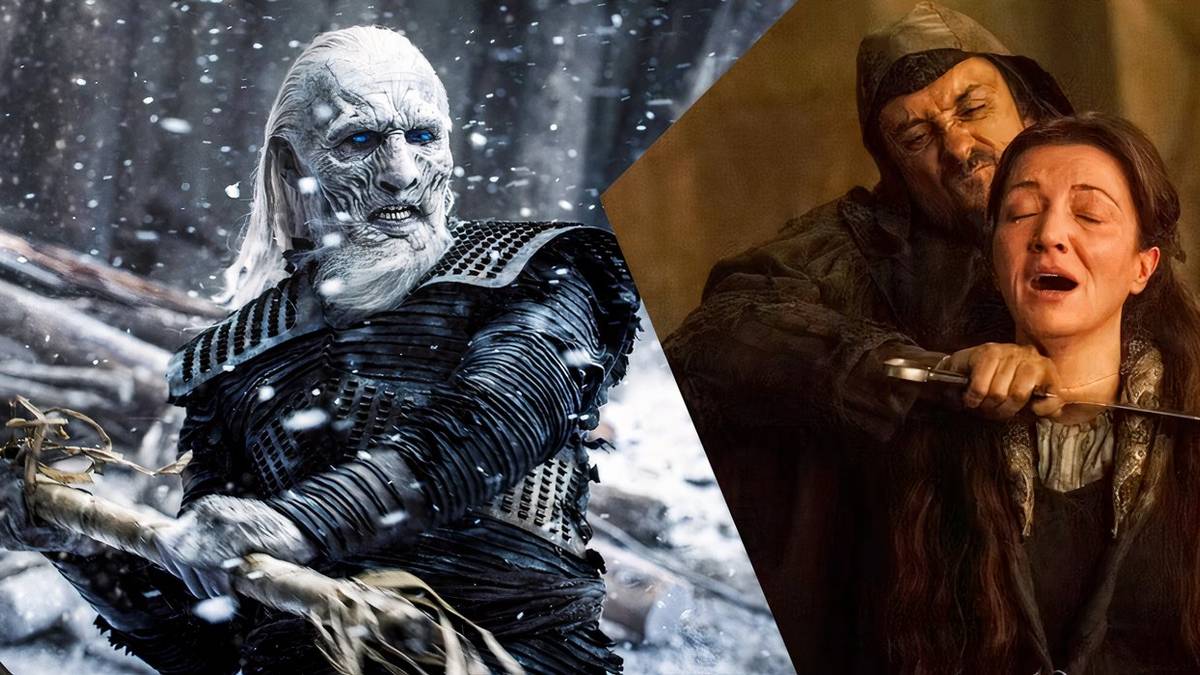
No list of unforgettable moments is complete without Season 6’s “The Door,” which delivers one of the most tragic revelations in television history. As the Night King and the White Walkers attack Bran Stark in his cave, Bran inadvertently links his vision of the past to a young Wylis, forcing him to repeatedly hear the command to “hold the door.” This temporal paradox transforms the gentle giant Hodor, revealing that his entire identity was shaped by a future trauma and permanently establishing that Bran‘s time-traveling actions directly affect past decades.
The sense of scale and looming dread shifts drastically in “Hardhome,” where Jon Snow and Tormund Giantsbane attempt to recruit the Wildlings north of the Wall. The peaceful negotiation violently shatters when the Army of the Dead attacks, culminating in the terrifying imagery of the Night King raising the fallen dead right before Jon‘s eyes from the sea. This transforms the White Walkers from a distant supernatural myth into an immediate, existential threat to all of Westeros.
Meanwhile, the penultimate episode of Season 6, “Battle of the Bastards,” brings Jon Snow and Ramsay Bolton into violent collision. Jon attempts to retake Winterfell and rescue Rickon Stark, but the tactical trap leaves his forces surrounded in a chaotic, brutal melee. Only the secret intervention of Sansa Stark and the Knights of the Vale—summoned via Petyr Baelish—turns the tide, paving the way for House Stark‘s reclamation of their ancestral home and delivering a long-awaited emotional victory for Sansa.
Political Intrigue, Executions, and Massacres
Political betrayal and brutal consequences define earlier milestones like Season 4’s “The Lion and the Rose,” which depicts the lavish royal wedding of Margaery Tyrell and King Joffrey. After publicly humiliating Tyrion, Joffrey suddenly chokes to death on poisoned wine, courtesy of an assassination plot orchestrated by Olenna Tyrell. The unexpected regicide rids Westeros of a despised tyrant while immediately casting Tyrion and Sansa Stark into mortal danger amid the ensuing chaos.
Going back to Season 1, “Baelor” shattered audience expectations regarding plot armor by executing Lord Eddard Stark. After publicly confessing to false treason charges in King’s Landing to protect his daughters Sansa and Arya, Ned is abruptly executed by King Joffrey Baratheon despite pleading for exile to the Night’s Watch. This pivotal moment redefined the entire series, proving that no character is safe and establishing the relentless, unforgiving tone that would dictate the subsequent War of the Five Kings.
Finally, few moments match the cultural impact of “The Rains of Castamere,” universally known as The Red Wedding. When Robb Stark attends the wedding of Edmure Tully and Roslin Frey at the Twins to mend alliances, Walder Frey and Roose Bolton execute a merciless massacre. The brutal slaughter of Robb, his pregnant wife Talisa, Catelyn Stark, and the Northern army permanently shattered the narrative trajectory of House Stark, leaving an indelible mark on television history as the ultimate example of sudden, uncompromising tragedy.