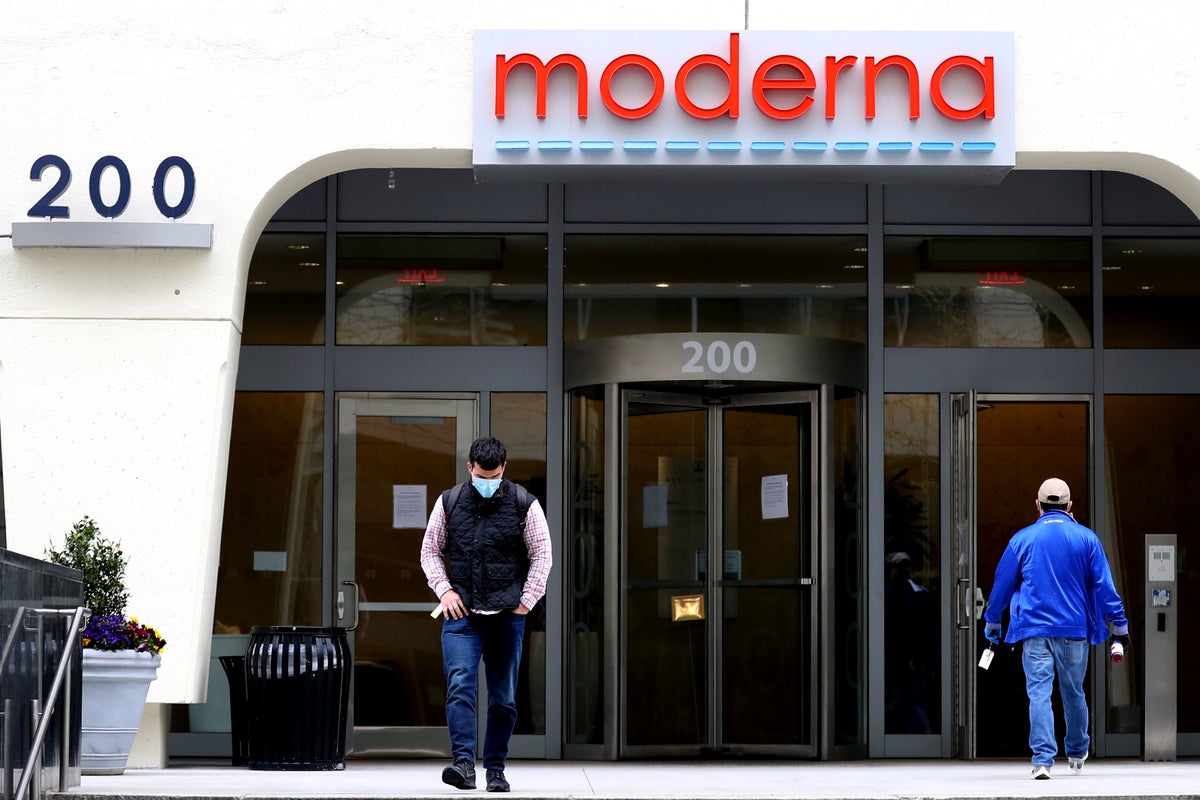

An experimental mRNA cancer drug has been found to stop the spread and return of melanoma for the first time, marking a potentially game-changing breakthrough for people suffering from life-threatening skin cancer. The personalized vaccine, known as intismeran, succeeded in preventing melanoma from coming back or spreading in patients who had undergone surgery to remove the cancer, especially when combined with another cancer drug called Keytruda. Pharmaceutical giants Merck and Moderna announced these groundbreaking findings on Wednesday.
A Pivotal Moment for Cancer Research
“These Phase 3 findings represent a pivotal moment for the field of cancer research,” Stéphane Bancel, CEO of Moderna, said in an official statement. “Together with Merck, we have started to demonstrate the transformative potential of this technology to address critical unmet needs in the adjuvant melanoma setting.”
Melanoma remains the deadliest form of skin cancer. According to the American Cancer Society, approximately 112,000 new melanomas are expected to be diagnosed in the U.S. this year alone, with more than 8,500 Americans projected to lose their lives. Researchers note that only around a third of patients diagnosed with the worst form of the disease survive past five years.
Clinical Trial Insights and Future Outlook
The extensive clinical trial included more than 1,000 patients who received either the combination of intismeran and Keytruda or just Keytruda alone for nearly a year. While the companies did not immediately disclose exact progression-free survival timelines, further details are expected at an upcoming medical conference, as reported by The Wall Street Journal. Previous trials involving the drug had already cut the risk of recurrence or death by nearly half compared to Keytruda monotherapy.
Dr. Nina Bhardwaj, Director of Immunotherapy at the Icahn School of Medicine at Mount Sinai, noted to The Independent that doctors are still waiting to see when the combination therapy will become widely accessible. Meanwhile, Merck and Moderna are actively studying the vaccine for other oncological targets, including lung, bladder, and renal cell carcinomas. “This is an exciting time for cancer immunotherapy. Vaccines are likely to make a difference in certain settings where the cancer burden is low,” said Bhardwaj, who also serves as the Ward-Coleman Chair in Cancer Research at the institution.
The Next Frontier in Precision Immunotherapy
Dr. Karen Knudsen, chief executive of the Parker Institute for Cancer Immunotherapy, described the bespoke tumor-targeting approach as an important step toward more precise therapies. “The underlying biology is compelling, and the study provides clinical validation for combining tumor-specific immune priming with checkpoint blockade therapy,” Knudsen explained to The Independent. However, she emphasized that questions regarding long-term durability remain.
Dr. Michael Postow, Chief of the Melanoma Service at Memorial Sloan Kettering Cancer Center, echoed the need for comprehensive data. “We are awaiting full data from the phase III trial, but this approach could mark an important next chapter for personalized immunotherapy in melanoma and potentially other cancers,” he stated. Meanwhile, Dr. Christina Annunziata from the American Cancer Society and Kyleigh LiPira, CEO of the Melanoma Research Foundation, highlighted both the lingering challenges and the profound hope these positive clinical results bring to patients globally.