
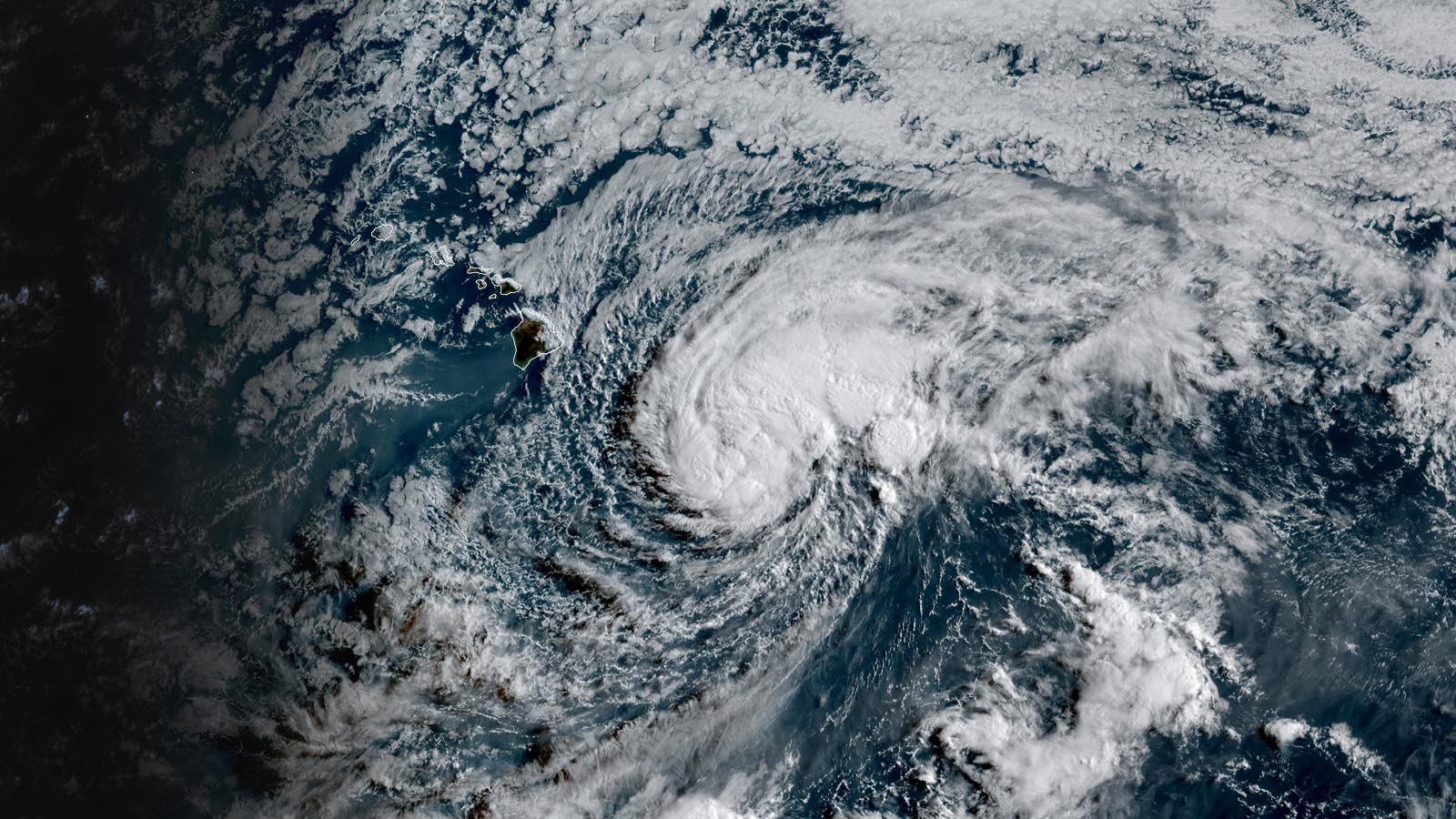

The Hawaiian Islands are on high alert this weekend as Tropical Storm Lala tracks over unusually warm waters, threatening to become the state’s first landfalling hurricane in over 30 years. With Governor Josh Green declaring a state of emergency on Thursday, hurricane warnings have been issued for the Big Island, anticipating life-threatening flooding, destructive storm surges, and winds reaching up to 75 mph.
Severe Weather Warnings and Track Projections
As of Friday morning, Tropical Storm Lala was located about 420 miles southeast of Hilo, moving west-northwest at approximately 12 to 14 mph with maximum sustained winds holding near 60 mph. Meteorologists from the National Weather Service and the National Hurricane Center expect the system to intensify into a low-end Category 1 hurricane before reaching or passing just south of the Big Island on Saturday. While the center of the storm may stay up to 50 miles south of Ka Lae—the southernmost point in the United States—its broad tropical-storm-force winds extend outward up to 170 miles. Consequently, tropical storm warnings are active for Maui County, including Maui, Lanai, Molokai, and Kahoolawe, while watches extend northwest to Oahu, Kauai, and Niihau.
Catastrophic Rainfall and Infrastructure Disruptions
The primary threat from Lala remains catastrophic rainfall, amplified by moist air interacting with towering terrain features like Mauna Loa and Mauna Kea. Forecasters predict rainfall totals ranging from 8 to 12 inches across Maui and the Big Island, with isolated eastern peaks potentially accumulating up to 25 inches, creating severe risks of flash flooding and mudslides. In response, local authorities have enacted widespread cancellations and closures. The Hawaii Department of Education canceled all events on the Big Island through the weekend, Hawaii Volcanoes National Park initiated rolling closures, and major educational institutions including UH Hilo and Hawaii Community College suspended operations for the weekend.
Climate Context and Historical Precedent
Scientists note that sea surface temperatures along Lala‘s path are approaching 28 degrees Celsius (82 degrees Fahrenheit), roughly 0.5°C above average for mid-August. Research highlighted by Climate Central indicates that these elevated ocean temperatures were made 10 to 20 times more likely due to human-driven climate change. Landfalls in the Hawaiian archipelago are historically rare; only five named systems at tropical storm strength or higher have struck the islands since 1949, with the last direct hurricane hit being Iniki in 1992. As residents rush to finalize preparations ahead of the storm’s peak impacts, emergency officials urge absolute caution near flooded regions and coastal zones.