
Intense Israeli airstrikes on southern Lebanon have killed at least 11 people, including three children, marking the deadliest escalation since a fragile truce with Hezbollah went into effect on June 20. According to Lebanon’s Health Ministry and local reports, Saturday’s bombardments targeted the villages of Ansar and Deir al-Zahrani, critically testing ongoing diplomatic frameworks and raising fears of a broader regional flare-up.
Deadly Strikes on Residential Areas in Ansar and Deir al-Zahrani
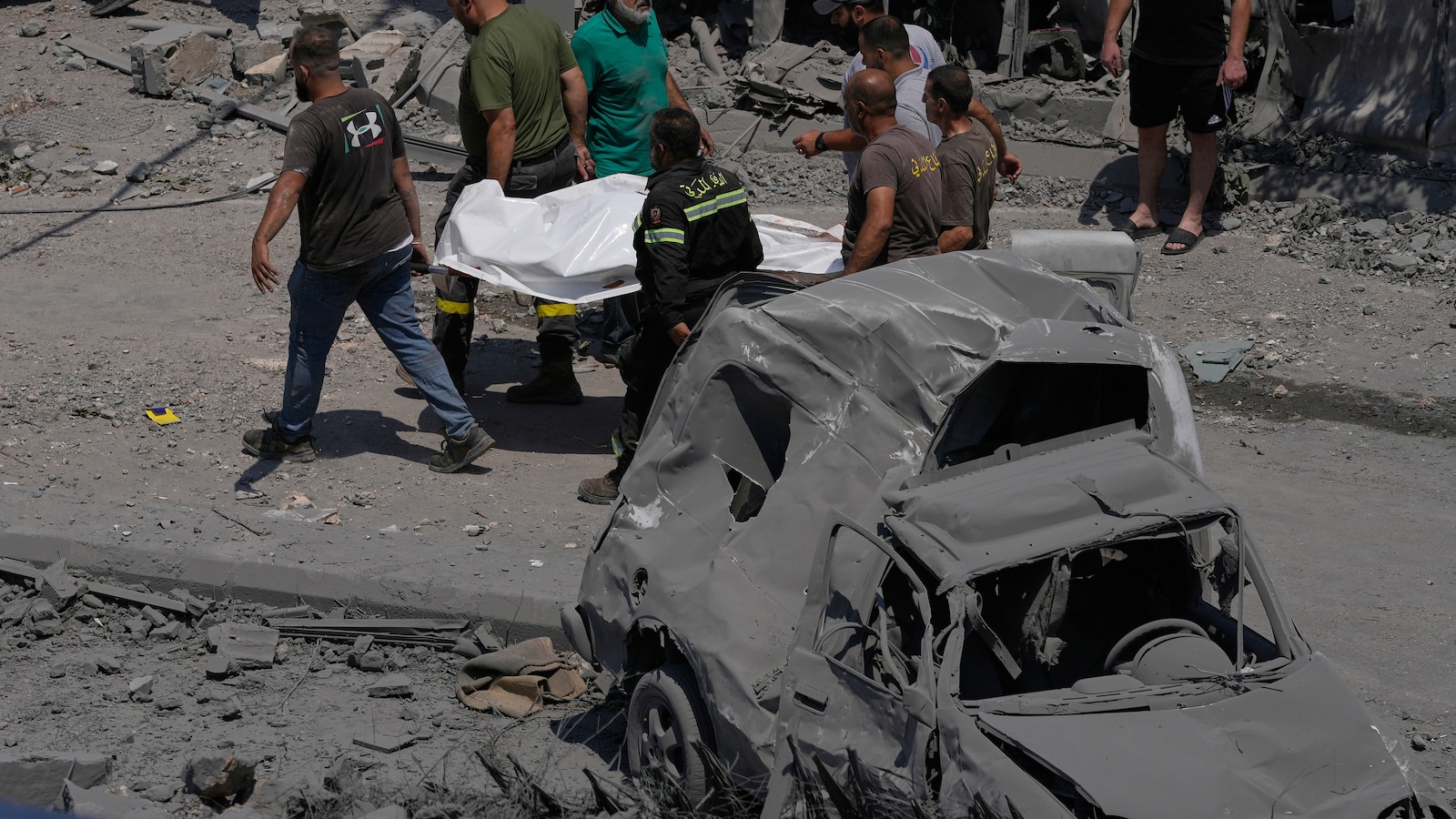
The most devastating strike flattened a residential home on the outskirts of the village of Ansar, resulting in the deaths of seven people from the same family, among them three children and women. The Israeli military later claimed that the target was a Hezbollah facility and identified one of the casualties as Ali Samir Al-Haj Hassan, a battalion commander with the elite Radwan Force. However, a second strike on the nearby town of Deir al-Zahrani killed another four people and wounded 17 others, leaving streets covered in rubble and heavy smoke as rescue teams scrambled to locate survivors.
Political Condemnation and Regional Fallout
The latest casualties have drawn sharp rebukes from Lebanese leadership. Prime Minister Nawaf Salam strongly condemned the attacks via social media, emphasizing that the victims were innocent civilians rather than military targets and warning that the strikes severely undermine regional stabilization efforts. President Joseph Aoun echoed these concerns, stating that the military action delivers a harsh blow to current negotiation tracks and U.S.-backed diplomatic efforts. Meanwhile, the office of Israeli Prime Minister Benjamin Netanyahu maintained that the military was acting in direct retaliation for a Hezbollah attack that seriously wounded three Israeli soldiers inside southern Lebanon.
The Fragile Framework Agreement Under Severe Threat
The bloodshed occurs against the backdrop of a tentative framework agreement announced on June 26, which envisioned the gradual withdrawal of Israeli forces from southern Lebanon in exchange for the disarmament of the Iran-backed militant group. With Hezbollah refusing direct talks and accusing the Lebanese government of making one-sided concessions, the latest wave of violence underscores the immense volatility of the region. As thousands of residents choke roads heading north to flee the violence, the future of the ceasefire hangs by a thread.