

A Historic Crackdown on Non-Immigrant Visas
The administration of US President Donald Trump has announced plans to revoke non-immigrant visas for foreign nationals who have applied for or are currently seeking asylum in the United States. Experts warn this could become the largest single mass revocation in American history, affecting up to 200,000 people according to estimates from the Associated Press and US Department of State documents.
The measure specifically targets B-1 and B-2 visas issued between 2016 and 2026 for individuals who entered the country for business and tourism. State Department spokesman Tommy Pigott defended the decision on Monday, stating, 'Foreigners who have come to the United States claiming to be short-term visitors, but then file for asylum to stay here permanently' are the core target of this policy.
Broader Immigration Crackdown and Policy Context
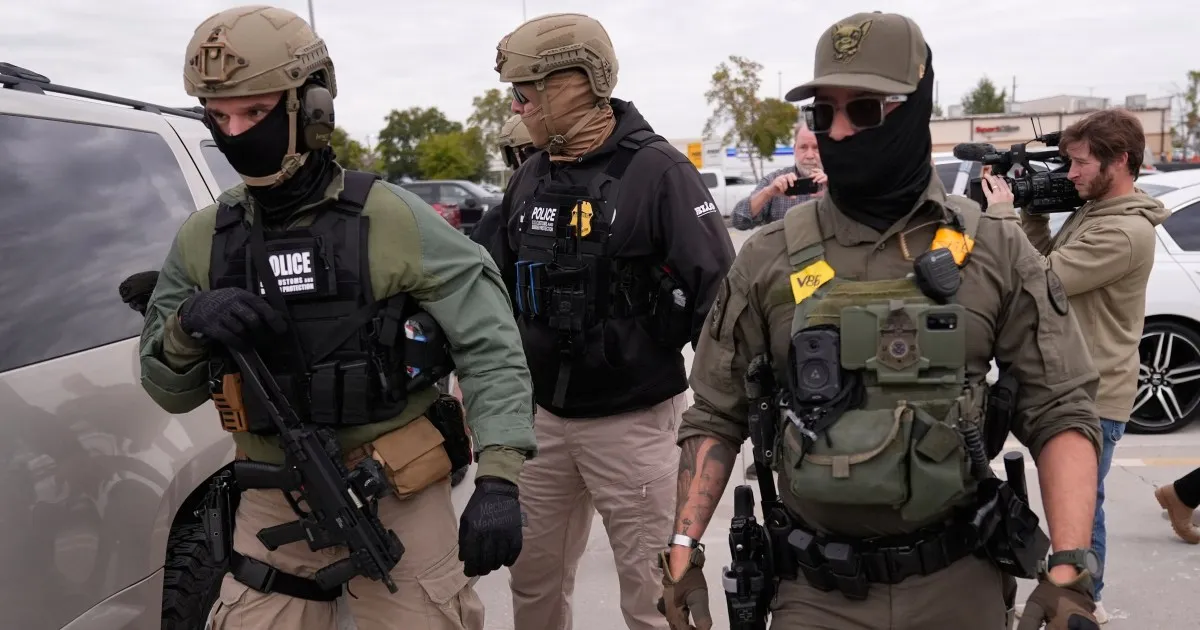
The move forms part of Trump's broader immigration crackdown during his second term, which has included visa and green card revocations and aggressive deportation drives. Rights groups have raised concerns over military-style raids by federal agencies like US Immigration and Customs Enforcement (ICE), noting incidents such as protests and casualties during raids in Minneapolis earlier this year. The administration has also targeted birthright citizenship via executive orders, though the US Supreme Court struck down an initial order in July, prompting new executive actions and legal challenges in New Hampshire. Additionally, the State Department recently revoked over 175,000 visas mostly for criminal activity, and a federal judge struck down a policy suspending new visas for citizens of 75 countries.
Legal Complexities and Strategic Deterrence
While the administration views the move as a necessary fix for immigration loopholes, migration experts emphasize that revoking a visa is distinct from terminating an active asylum claim. Rut Bermejo Casado, a researcher and lecturer at Rey Juan Carlos University in Madrid, explained that individuals would lose their temporary visitor status but generally retain their right to pursue asylum. 'Their right to pursue an asylum application would generally remain intact until adjudication,' Casado noted, adding that the measure might function primarily as a political deterrent and administrative burden involving data matching across agencies.
Deputy Secretary of State Christopher Landau echoed these sentiments on social media platform X, writing, 'People in the US and all over the world are fed up with bogus asylum claims. Asylum isn't supposed to be a loophole to circumvent immigration law.' Legal scholars suggest the policy could face severe challenges in federal courts regarding due process and administrative law.
Nationalities and Impact Analysis
While the Department of State has not published a detailed nationality breakdown for B-1/B-2 asylum claimants, Homeland Security figures show top nationalities for successful asylum claims include those from Central and South America—such as Venezuela, El Salvador, Guatemala, and Honduras—as well as China, Russia, Turkiye, and Egypt, while applications were mostly rejected for applicants from Haiti, India, Cuba, and Mexico according to Justice Department data.