
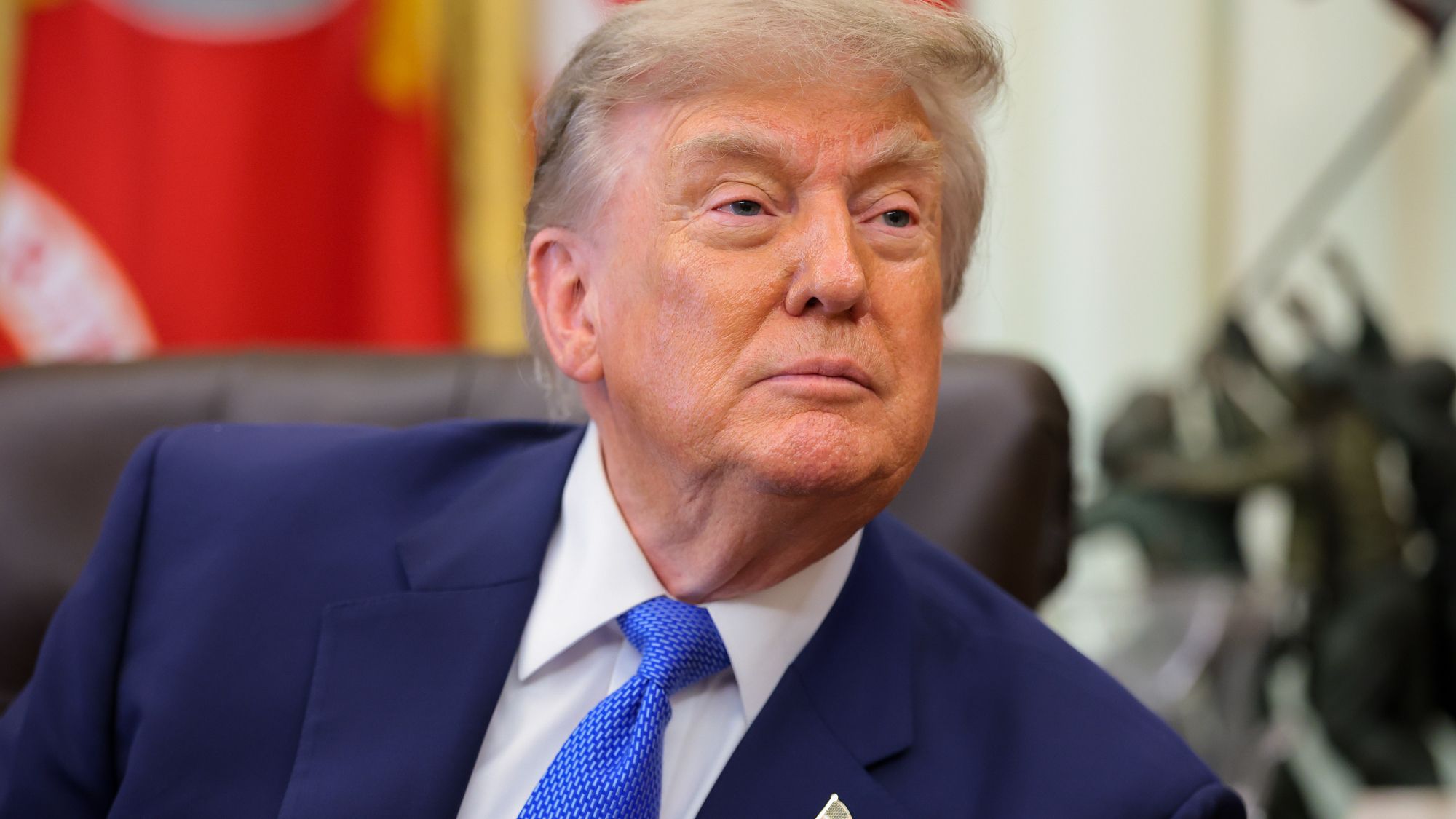

In a historic and controversial policy shift, the White House under President Donald Trump has authorized vetted private companies to conduct offensive cyber operations, including destructive attacks against foreign cybercrime organizations. Signed via a presidential memorandum on August 12, 2026, the framework marks a dramatic departure from decades of federal policy that strictly restricted private entities to defensive measures under laws like the Computer Fraud and Abuse Act (CFAA).
Strict Oversight and Financial Escrow Requirements
Under the newly established program overseen by a National Coordination Center, participating entities must navigate a rigid approval process. Every operation requires explicit written authorization from the Department of Justice (DOJ) and the Department of Homeland Security (DHS). To ensure accountability, firms are required to post a minimum of $1 million in escrow or bond, which is subject to immediate forfeiture if rules are violated. The policy specifically permits two tiers of activity: Cyber Surveillance Operations for intelligence gathering and Cyber Effects Operations aimed at disabling or destroying criminal infrastructure.
Target Scope and Major Legal Concerns
The memorandum targets foreign ransomware gangs, phishing syndicates, and sextortion rings that operate outside formal state control, bypassing state-directed hackers to avoid direct geopolitical escalations. However, cybersecurity veterans have raised serious alarms. Jake Williams, vice president of research and development at Hunter Strategy, warned TechCrunch that participating American contractors traveling overseas could easily be classified as non-uniformed combatants by foreign governments, leaving them vulnerable to detention or prosecution.
Implementation and Future Outlook
With Congress having earmarked $1 billion for offensive cyber capabilities in past spending legislation, implementation guidance is slated to arrive within 60 days. While major technology firms like Google have previously expressed readiness to participate, the policy faces intense scrutiny regarding legal boundaries, domestic safety—requiring immediate halt and reporting if a U.S. person is accidentally impacted—and the blurring lines between state-sponsored and private mercenary cyber warfare.