
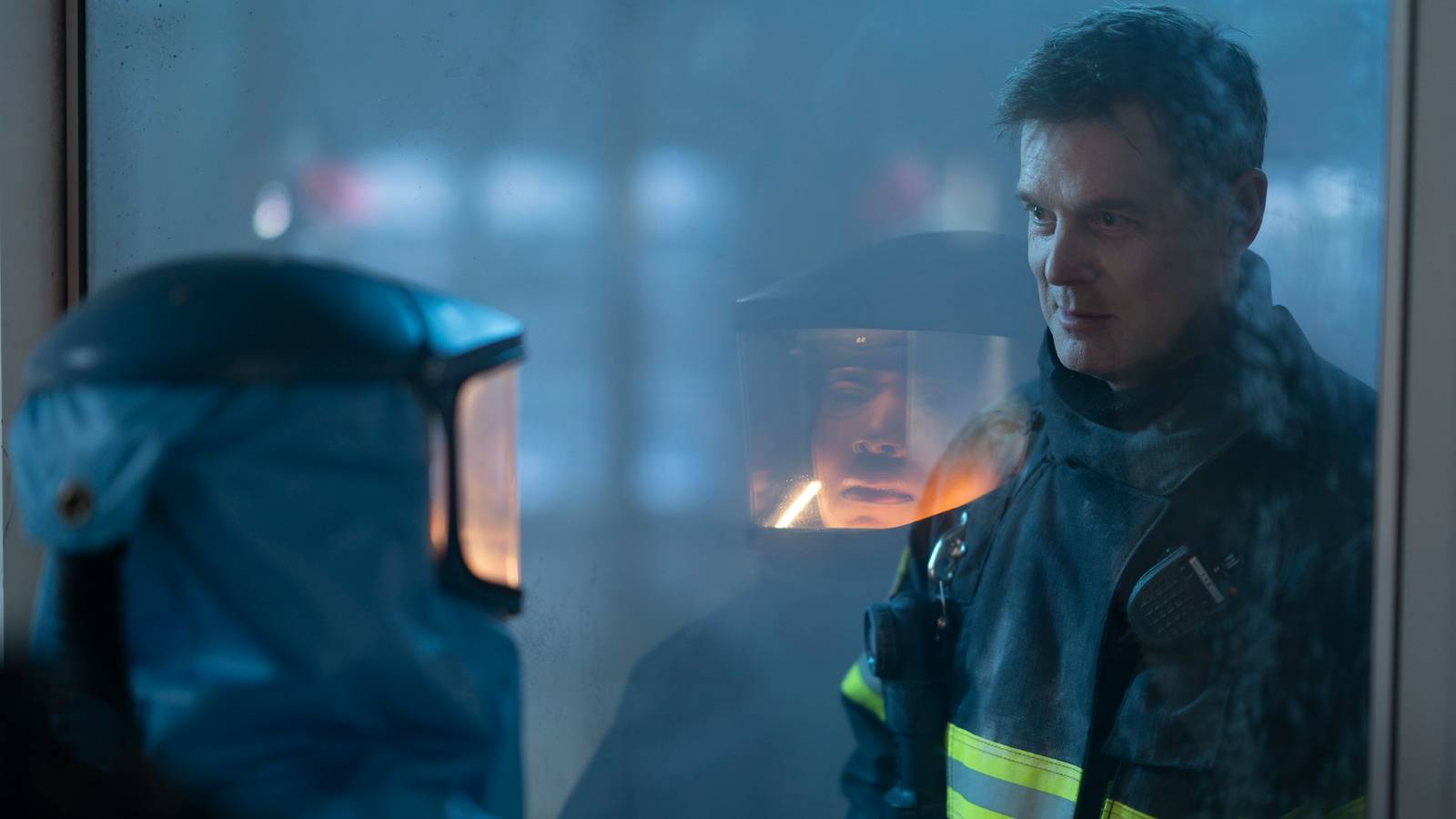

The popular procedural drama 9-1-1 is preparing to return to ABC for its landmark tenth season this October, but producers must address significant storytelling missteps made during the post-Bobby Nash era. Following the death of core character Bobby Nash, played by Peter Krause, the series leaned heavily into over-the-top spectacles throughout season 9 rather than focusing on character-driven narratives, raising concerns among loyal viewers of the emergency response drama.
The Impact of Over-the-Top Spectacle on Character Arcs
While large-scale emergencies have always defined 9-1-1—ranging from tsunamis to bee tornadoes—the execution changed drastically following the tragic exit of Bobby Nash after eight seasons of character growth. During season 9, storylines featuring Athena, played by Angela Bassett, and Hen, portrayed by Aisha Hinds, heading into space, alongside Buck‘s (Oliver Stark) kidnapping and a character being swallowed by a whale, felt disconnected from the emotional core of the series. Critics and fans noted that these disasters prioritized shock value over the emotional inner lives of the 118 unit.
Restoring Emotional Depth in Season 10
Looking ahead to the upcoming tenth season, the series has a clear opportunity to reset its approach by balancing high-stakes emergencies with grounded character development. Earlier seasons successfully utilized massive disasters, such as the season 3 tsunami, to deepen relationships and reveal new layers of the characters that viewers already understood. By reintroducing these character-driven elements into emergency storylines, ABC can re-establish trust and deliver a cohesive narrative that honors the show’s foundational identity.
Navigating the Future of the 118 Unit
As 9-1-1 moves forward, the series continues to explore the intense daily experiences of police officers, paramedics, and firefighters who first premiered on television screens in 2018. With Athena stepping into a more prominent focal point and her children, May (Corinne Massiah) and Harry (Elijah M. Cooper), taking on larger roles, season 10 must successfully bridge the gap between necessary spectacle and the emotional continuity that originally made the emergency response drama a success.