
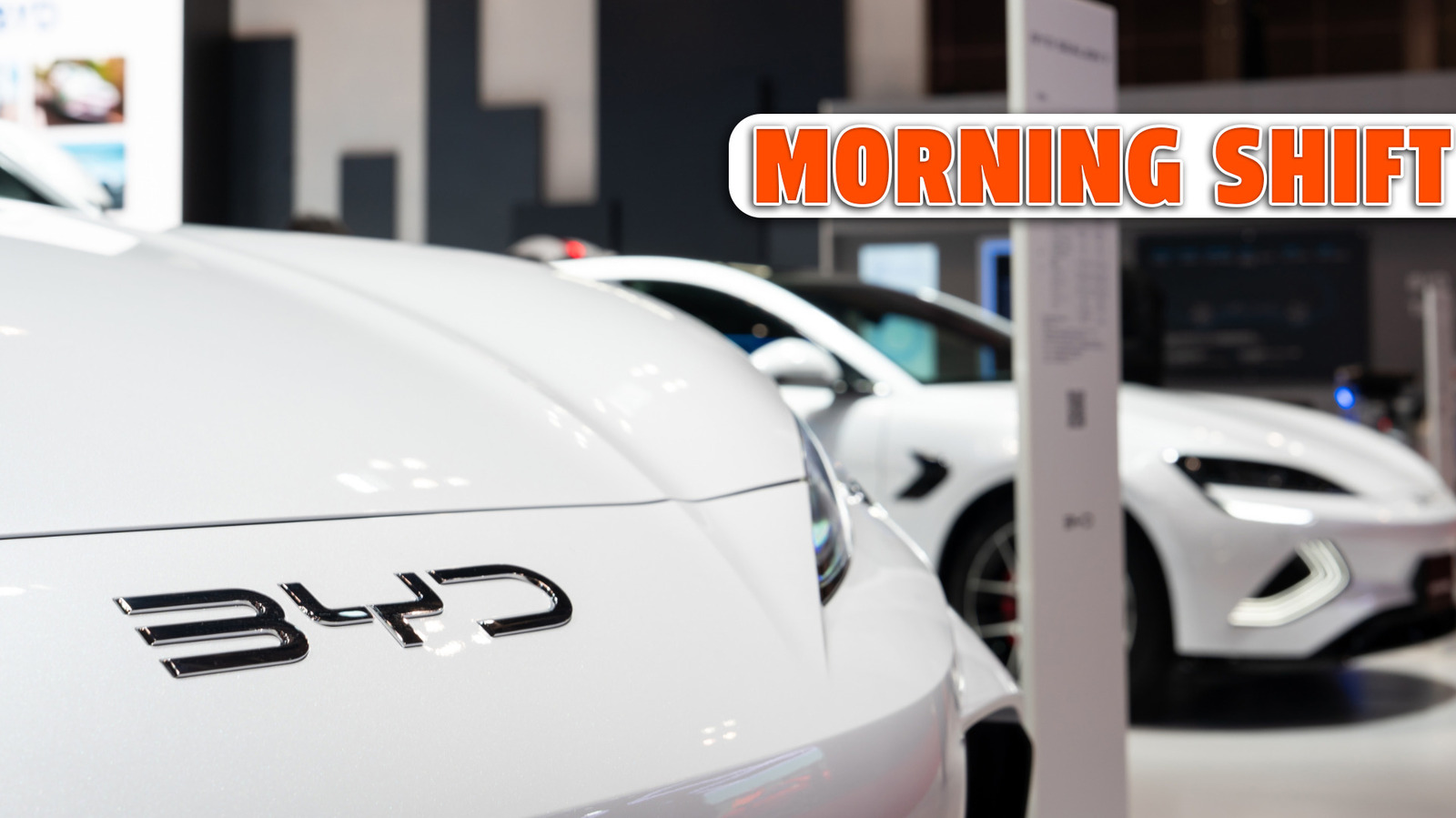

On August 10, 2026, global automotive markets face a significant transformation as the U.S.-Israeli war on Iran drives a massive spike in fuel costs, inadvertently providing a major boost to Chinese electric-vehicle makers. According to data from the International Energy Agency (IEA), Chinese EV exports rose by 120% in the first half of 2026 compared to the same period last year, helping manufacturers escape domestic weak demand and a surplus of inventory.
The Global EV Market Shift and Chinese Dominance
Rising gasoline prices are prompting drivers worldwide to abandon traditional combustion-engine vehicles in favor of budget-friendly alternatives. IEA data highlights that EV sales have roughly doubled in Brazil, Australia, Korea, and Vietnam, while quadrupling in Colombia since the conflict began. The agency now projects that EVs will account for 29% of new-car sales globally in 2026, up from 25% the previous year. In China, the shift is even more advanced, with over half of all new car sales now being electric. Chinese car manufacturers currently control 60% of EV sales across emerging markets, vastly outpacing the 10% share held by traditional combustion-engine vehicles.
Japanese Automakers Expand U.S. Footprint
Meanwhile, major Japanese automakers are actively reinvesting in North American manufacturing to maintain accessibility for U.S. buyers amidst complex tariff and trade rules. Driven by ambition and the policies of the Trump administration aimed at reindustrializing America, Toyota made the decision in July to construct a $3.6 billion assembly plant in San Antonio and shift Tacoma production back to the U.S., navigating rising consumer costs and production constraints.
Credit Pressures and UK Green Initiatives
As vehicle prices rise and economic uncertainty grows, affordability challenges are straining dealerships and lenders. Dealerships like Dow Honda in Ottawa report a notable increase in credit report blemishes, requiring increased collaboration between retailers and lenders to secure financing for cash-strapped consumers. Concurrently, the British government is pushing forward with its green vehicle agenda, announcing nearly £130 million (equivalent to $175 million) in funding—including nearly £50 million in direct government support and £17 million for automated mobility projects—with the goal of transitioning all new cars to zero-emission technologies within the next nine years.