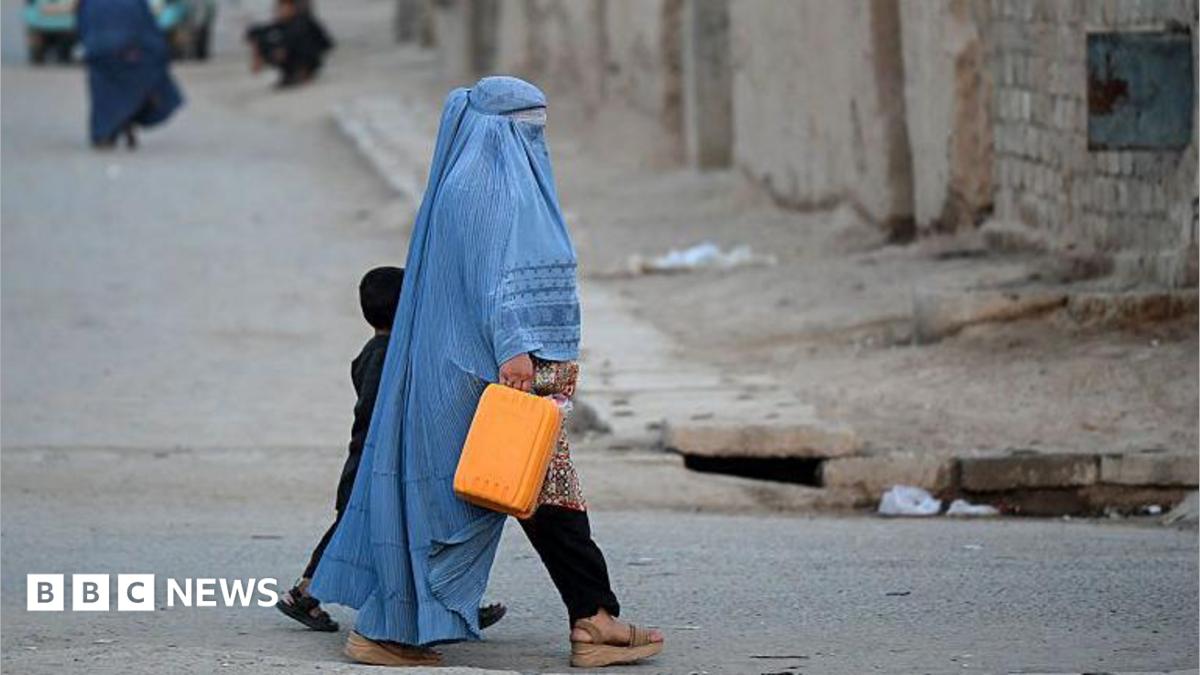

Five years after the Taliban takeover in Afghanistan, women and girls have shared harrowing accounts with the BBC, describing their lives as entirely unrecognizable under the hard-line regime. Since reclaiming power in 2021, the Taliban has systematically eroded the rights of the country’s 22 million women, restricting education for girls over 12, limiting travel without a male chaperone, and enforcing severe constraints on employment and healthcare access.
The Erosion of Education and Basic Freedoms
Afghanistan remains the only nation globally where girls are officially barred from secondary and higher education. According to a Unicef report cited by the BBC, approximately 2.6 million girls are currently unable to attend school beyond Grade 6. Despite claims by the Taliban‘s foreign minister, Amir Khan Muttaqi, that millions of girls attend schools and religious centers, only 7% of women in Afghanistan remain employed, plunging countless families into deep poverty and forcing individuals like former news anchor Zuhal to abandon their professional identities.
Corporal Punishment and the Fear of Reprisals
The regime has also resumed public corporal punishments, with official records indicating that hundreds of individuals, including women like Shaima and Manizha, have been flogged since 2021. Victims recount severe physical abuse and forced confessions under duress, leaving families traumatized and children gripped by nightly terror. These systemic limitations extend directly into critical sectors such as healthcare, exacerbating the nation’s soaring maternal mortality rates as female patients struggle to find treatment amid bans on male doctors.
Resilience and Hope Amid Adversity
Despite overwhelming hardship, some Afghan women continue to fight for a better future. Noori, a 24-year-old who lost the chance to finish her degree in law and political science, has successfully established her own enterprise, employing 10 women to foster financial independence. Similarly, 13-year-old Asma maintains unwavering hope of becoming a doctor, while dental assistant Ela issues a passionate plea to the international community: ‘We need solidarity, not silence.’