
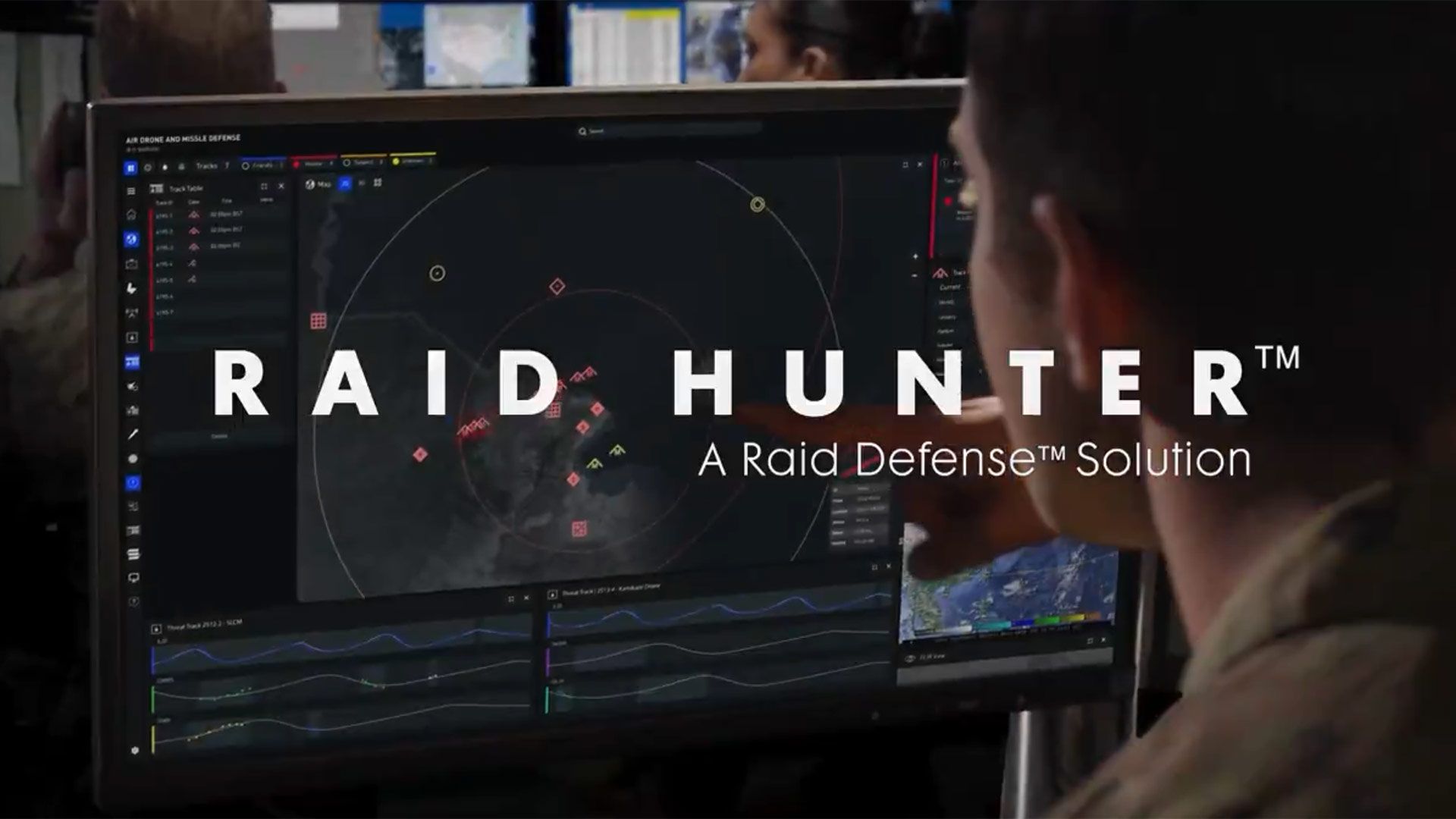

Defense giant Northrop Grumman has officially unveiled Raid Hunter™, an advanced 50mm Gun-Based Air Defense (GBAD) system engineered to counter modern battlefield threats such as high-volume drone swarms and cruise missiles. Announced on August 11, 2026, from Falls Church, Virginia, the system addresses a critical short-range air defense gap by combining proprietary Chain Gun® technology with precision-guided ammunition for cost-effective, scalable protection.
Tackling the Economic Challenge of Massed Aerial Threats
Recent conflicts in Ukraine and the Middle East have highlighted a dangerous vulnerability in modern military architecture: traditional air defense systems are severely struggling against low-flying cruise missiles and overwhelming, inexpensive unmanned aerial systems. Firing multimillion-dollar interceptors like the Patriot system at low-cost drones represents an unsustainable economic imbalance. According to Kenn Todorov, vice president and general manager of command and control and weapons integration at Northrop Grumman, modern war demands solutions capable of defeating complex raids designed to overwhelm conventional defenses.
Modular Design and Rapid Deployment Capabilities
Engineered for maximum operational flexibility, Raid Hunter features a palletized, modular architecture that allows for rapid transportation via C-130 aircraft, alongside planned future vehicle-mounted and container-based variants. The system integrates advanced battle management, sensor fusion, and interoperable networking. This enables multiple Raid Hunter units to operate as a unified, coordinated defense network protecting critical infrastructure, military bases, and airfields across diverse operational landscapes.
Part of the Advanced Raid Defense Solutions Portfolio
Operating as a cornerstone of Northrop Grumman’s broader counter-UAS (C-UAS) initiative known as Raid Defense™ Solutions, the system leverages AI-enabled command and control to ensure faster threat detection and smarter decision-making. As field testing continues throughout 2026, the defense firm aims to accelerate the deployment of these next-generation kinetic capabilities, providing warfighters with the high-capacity, precise firepower required on tomorrow’s battlefield.