

The tranquil city of Sebring, nestled in the heart of Florida’s southern peninsula, is experiencing an unprecedented demographic shift. Known for its century-old architecture and citrus-lined streets, the city is rapidly transforming as waves of newcomers arrive. This interior boom is part of a broader statewide migration driven by intensifying climate risks and soaring homeownership costs along the coast.
The Great Inland Migration Driven by Climate and Costs
For decades, the majority of Florida’s population was heavily concentrated along its picturesque beaches and coastal metro areas. However, recurring hurricanes, severe flooding, and escalating insurance premiums have triggered a massive internal exodus. According to data from the University of Florida’s Bureau of Economic and Business Research, 15 out of the 20 fastest-growing cities in the state are now located in noncoastal counties.
“Sebring is on the cusp of exploding,” said Drew Bishop, a local real estate agent. “Everyone is moving from the coasts because of hurricanes and insurance rates and the pull of cheaper housing.”
Counties like Highlands, Polk, and Hendry are seeing unprecedented population spikes. Polk County, situated between Tampa and Orlando, attracted more new residents than any other county across the United States in 2023. Once dominated by cattle pastures and citrus groves, these inland areas are rapidly giving way to modern subdivisions and commercial hubs.
Coastal Vulnerability and the Exodus from South Florida
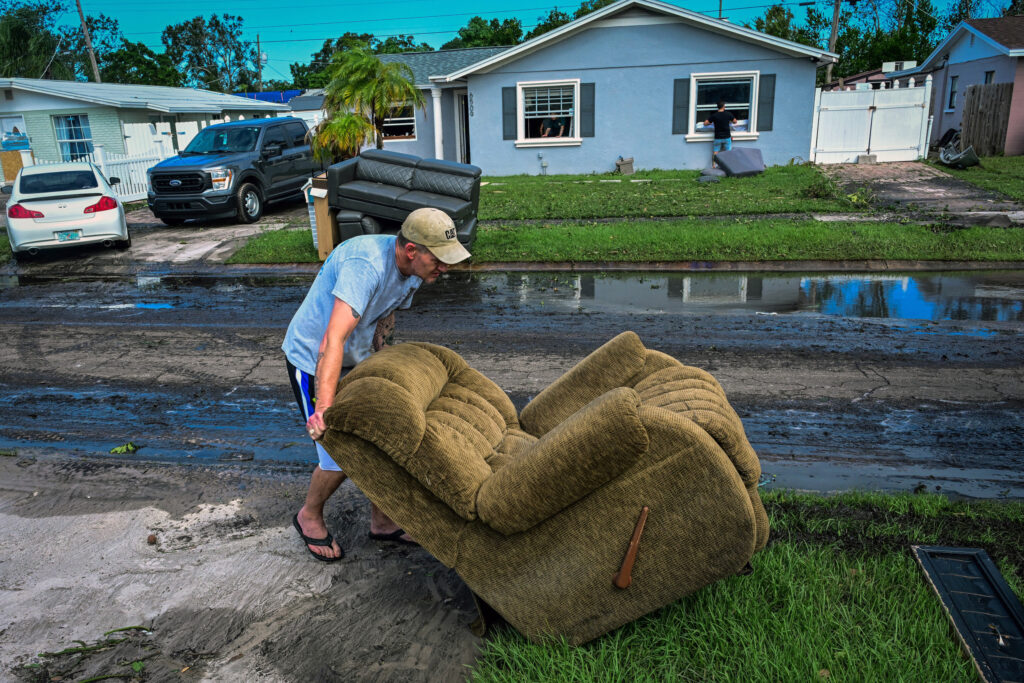
While inland areas boom, major coastal hubs are facing mounting population pressures and outward migration. Between July 2024 and July 2025, over 15,000 residents left Hillsborough County following the devastating one-two punch of hurricanes Helene and Milton. Similarly, Pinellas County lost 9,200 locals, while Miami-Dade County has seen more than 278,000 residents depart this decade.
Melissa Keller, a longtime resident who previously lived in a Miami Beach high-rise, decided she had enough after enduring multiple severe storms. “I got terrorized by the hurricanes,” said Keller, who relocated in 2023 with her partner, Joanne Stiger, to the massive inland retirement community of The Villages. “We were ready to kiss our property goodbye. When we moved to The Villages, we breathed a sigh of relief.”
Infrastructure Demands and Future Projections
The rapid influx is placing immense pressure on inland infrastructure, forcing local municipalities to adapt quickly. In Wildwood, located in Sumter County, the population surged from 15,000 to 36,000 residents between 2020 and 2025. The city is currently developing a new $150 million wastewater treatment facility to accommodate the explosive growth.
“We often see many folks coming from South Florida and other parts of Florida, particularly the coastal counties,” noted Jason McHugh, Wildwood’s city manager. “They had hurricanes and wanted to get closer inland. Plus, the cost of housing was cheaper.”
Experts warn that this trend will only accelerate. Climate research firm First Street projects that insurance premiums in major coastal cities like Tampa, Jacksonville, and Miami could skyrocket by up to 322 percent over the next three decades. By 2100, models by Florida State University demographer Mathew Hauer suggest that South Florida could lose up to 2.5 million residents to sea level rise, while inland regions like Orlando and Lake County are expected to absorb hundreds of thousands of new climate migrants seeking safety.