
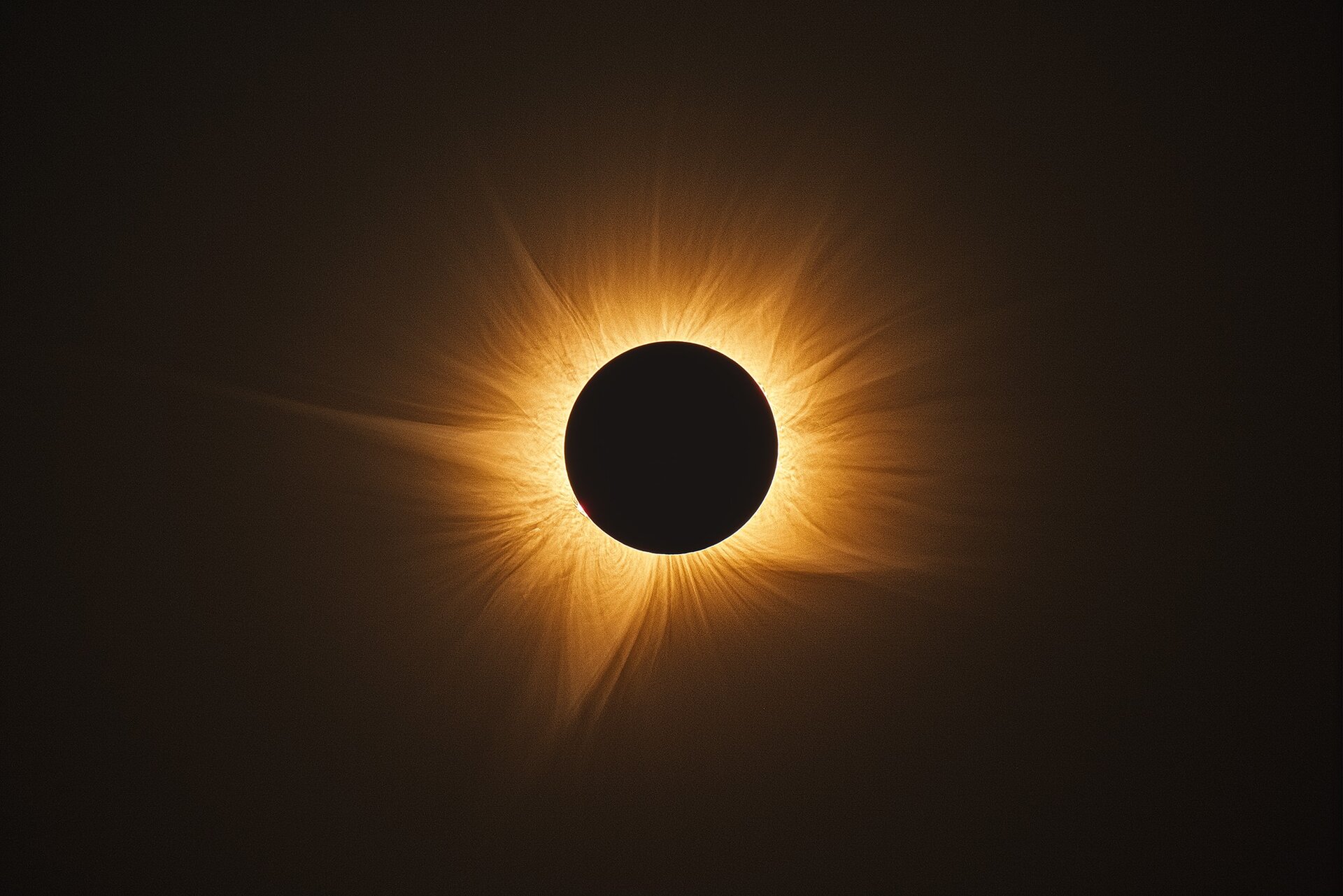

On 12 August 2026, Europe witnessed its first total solar eclipse in over two decades, captivating millions as day briefly turned to night. Organized in part by the European Space Agency (ESA), the celestial event provided a rare spectacle across Greenland, Iceland, Spain, and Portugal, while millions more across the continent enjoyed a partial phase.
The Spectacle of Totality and Scientific Marvels
As the Moon completely covered the Sun‘s bright disc, observers experienced a sudden drop in temperature and fading light. Moments before totality, the dramatic diamond ring effect appeared alongside Baily’s beads, revealing the Sun‘s magnificent outer atmosphere. During a live broadcast from the Observatorio Astrofísico de Javalambre in Spain, ESA‘s Director of Science Professor Carole Mundell described the event as truly mind-boggling. Hosted by Dame Dr Maggie Aderin, the broadcast highlighted scientific insights, including how artificial solar eclipses are now being created in space by ESA missions like Proba-3, alongside Earth observation data from MTG-I1.
Public Engagement and Inclusive Workshops
In Spain, the City of León and the University of León partnered with ESA to host a massive public gathering at the Palacio de Exposiciones y Congresos de León. Drawing tens of thousands of attendees, the venue offered hands-on activities, including an inclusive science workshop by ESA‘s CESAR team utilizing 3D-printed tactile models and Micro:bit sensors to make the astronomical event accessible to visually impaired individuals.
Looking Forward to Future Eclipses
With the historic 2026 event successfully concluded, stargazers are already looking ahead to upcoming cosmic alignments. On 2 August 2027, the southern tip of Spain, North Africa, and the Middle East will experience a super-long totality known as ‘the eclipse of the century’, followed by an annular ‘ring of fire’ eclipse across Portugal and Spain on 26 January 2028.