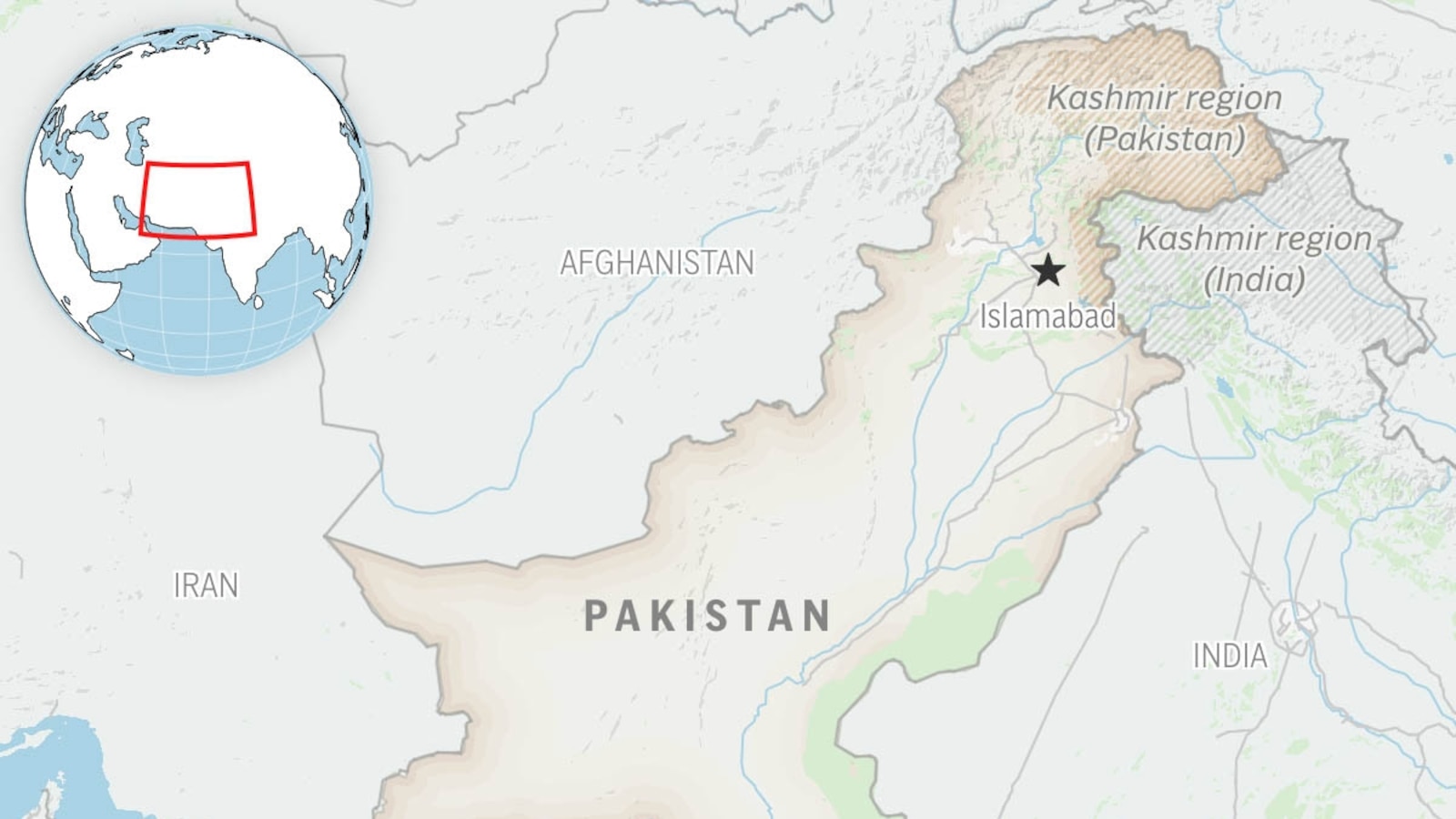

Voters went to the polls on Monday in the final phase of elections for the legislative assembly in Pakistan-administered Kashmir, following weeks of violent protests and clashes with security forces that overshadowed campaigning in the disputed Himalayan region, officials reported. Men and women lined up early at polling stations in the Poonch district, where four assembly seats were being contested amid strict security measures.
Voting Underway Amid Banned Group’s Boycott Call
Raja Shakeel, a spokesperson for the regional election commission, confirmed that voting was actively underway in four constituencies despite a direct boycott call by the outlawed Joint Awami Action Committee (JAAC). The banned organization had strongly urged residents not to participate in the electoral process. The regional government recently banned the group, citing mounting security and public-order concerns following weeks of unrest.
Ruling Party Secures Majority As Key Leaders Compete
Pakistan’s ruling Pakistan Muslim League-N (PML-N) party has already secured a legislative majority and is widely expected to form the regional government for the first time in a decade. The party won 24 of the 34 seats decided during the first two phases of voting. Several high-profile political figures are competing in this final round, including Regional Prime Minister Faisal Rathore, alongside former Prime Ministers Sardar Attique Ahmed Khan and Sardar Tanveer Ilyas Khan, and Mushtaq Minhas, a senior vice president of the PML-N.
Core Disputes Over Reserved Legislative Seats
The central friction between the JAAC and the regional government revolves around 12 legislative seats reserved for individuals displaced from Indian-controlled Kashmir since the end of British colonial rule in 1947. The JAAC argues that this allocation provides disproportionate political influence to outsiders and has demanded the abolition of these seats. Formed in 2023, the action committee has pressed for broader political rights, while the government maintains it has accepted 36 of the group’s 38 total demands.