
Rainforest communities in the Colombian Amazon face an escalating silent crisis as mercury pollution from illegal gold mining severely contaminates their essential food and water sources. Local indigenous populations are enduring the toxic legacy of extraction industries operating within the Colombian Amazon basin, threatening both their traditional ways of life and basic survival.
The Devastating Impact of Gold Mining
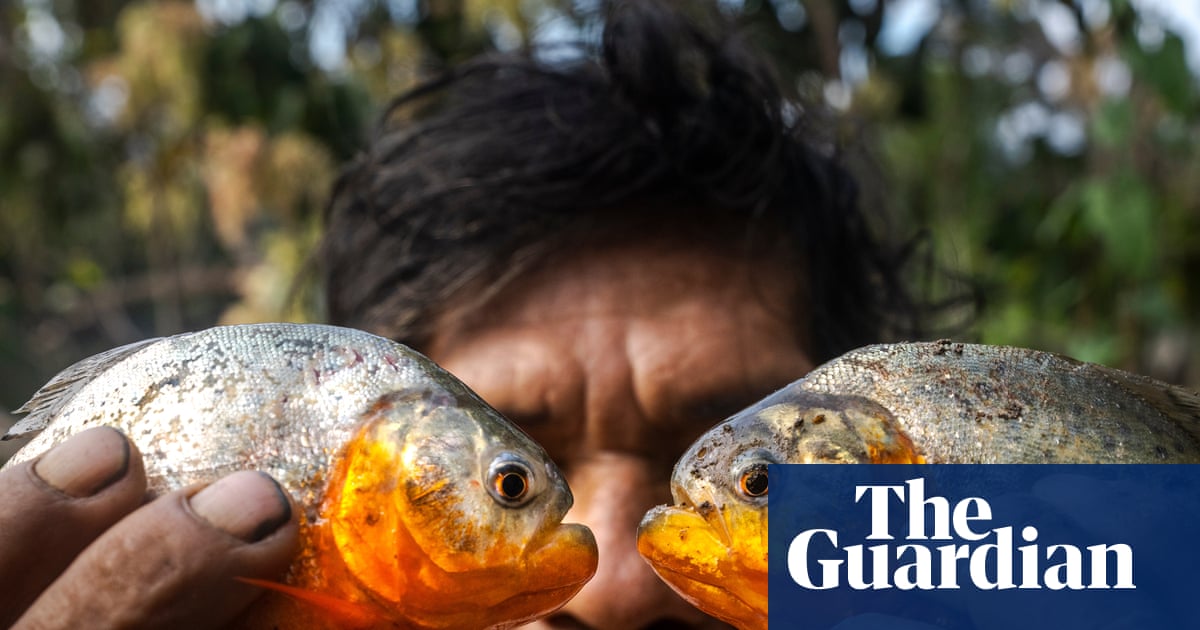
Unregulated gold mining operations utilize hazardous chemicals to extract precious metals, releasing vast amounts of toxic mercury directly into regional ecosystems. Rivers and tributaries winding through the Colombian Amazon absorb these heavy metals, which subsequently infiltrate the local food chain. Researchers and environmental organizations, including studies highlighted by institutions like WHOI, have documented how this contamination directly affects fish populations, which serve as a primary dietary staple for indigenous communities.
Human Toll on Indigenous Communities
The daily reality for inhabitants of the Colombian Amazon involves consuming tainted water and resources, leading to severe health complications associated with mercury poisoning. Indigenous groups and local advocates continue to seek urgent intervention, pushing for judicial and governmental action such as landmark rulings to protect vulnerable populations. Despite legal frameworks and regional awareness campaigns, enforcement against illegal mining remains challenging across the dense expanses of the Colombian Amazon.
Environmental Legacy and Future Outlook
Addressing the ecological disaster in the Colombian Amazon requires comprehensive remediation strategies and strict monitoring of mining activities. Environmental scientists warn that without immediate intervention, the accumulation of mercury will permanently degrade the biodiversity of the Colombian Amazon and jeopardize the health of generations to come. Conservationists and community leaders continue to document the crisis to bring international attention to the ongoing devastation.