
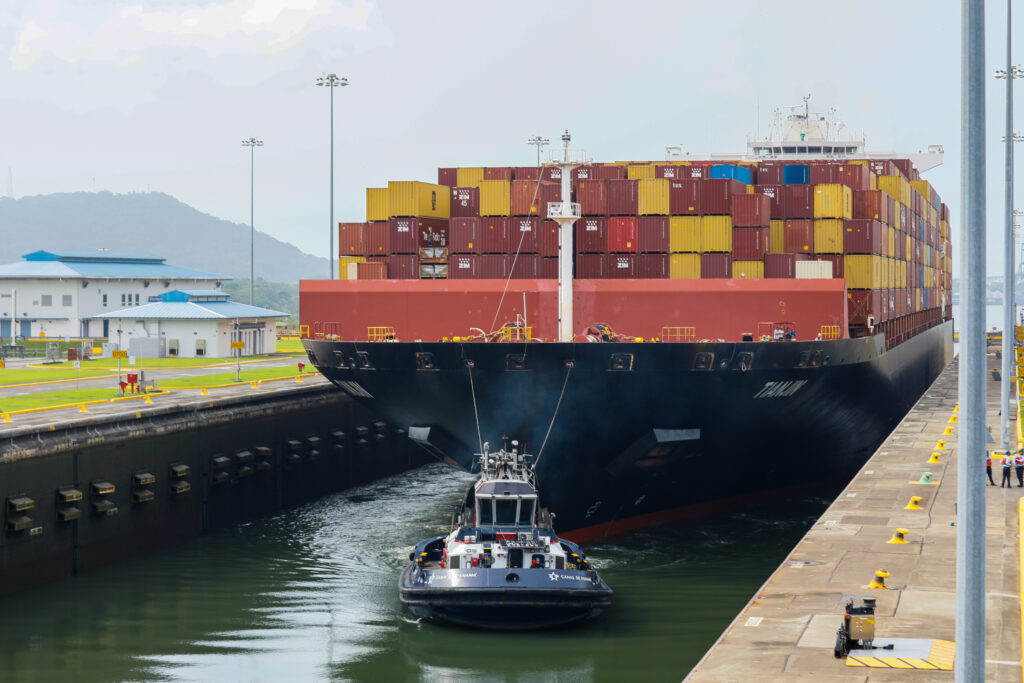

A severe drought driven by the El Niño weather pattern is once again threatening operations at the Panama Canal, forcing authorities to slash daily vessel transits. Starting September 3, the vital waterway will reduce traffic from 36 to 34 vessels daily, with a further reduction to 32 vessels scheduled for September 15. The canal handles 5 percent of global maritime trade and about 40 percent of all U.S. container traffic, making the restrictions a major bottleneck for international commerce.
The Growing Strain on Water Resources
The Panama Canal relies on a system of artificial lakes, including Gatún Lake, to operate its locks and lift ships across the continental divide. However, water shortages caused by lack of rainfall have forced administrators to prioritize drinking water for roughly 2 million people—nearly half of Panama’s population—alongside hydropower generation. ‘When water levels get too low in those reservoirs, they have to restrict the number of ships that go through because they want to conserve water for those other uses that are also critical,’ said Samuel Muñoz, an associate professor at Northeastern University.
Congestion in the region has already surged, exacerbated by ongoing conflicts affecting alternative routes like the Strait of Hormuz. Demand for unreserved slots has driven auction prices as high as $380,000, with one desperate vessel paying $4 million in August to skip the queue. Experts warn that these soaring transit costs and extended delays will inevitably trickle down to retail shelves, affecting perishable goods and everyday consumer prices.
Climate Change and Long-Term Uncertainty
The current crisis echoes a devastating drought that spanned from early 2023 through mid-2024, which forced severe restrictions and prompted plans for a new $1.6 billion reservoir. While Panama Canal administrator Ricaurte Vásquez Morales insists that ‘the canal does not improvise,’ long-term projections remain deeply concerning. A 2025 modeling study led by Muñoz warns that climate change under a high-emissions scenario could substantially lower Gatún Lake levels throughout the 21st century, posing an ongoing challenge for global trade.