
As August arrives, astronomy enthusiasts prepare for a remarkable month of celestial events, highlighted by peak meteor activity, visible planets, and major upcoming astronomical milestones. EarthSky founder Deborah Byrd has released essential viewing tips and guides to help observers maximize their stargazing experience throughout the month.
Mastering The Perseid Meteor Shower
Skywatchers this week can catch the peak of the annual Perseid meteor shower. Deborah Byrd shares 9 easy observation techniques designed to help both beginners and experienced observers spot more shooting stars. While observers in the Northern Hemisphere enjoy optimal views, those in the Southern Hemisphere face limitations due to the radiant’s far-northern position, though southern stargazers can still observe the Delta Aquariids.
Preparing For The 2026 Total Solar Eclipse
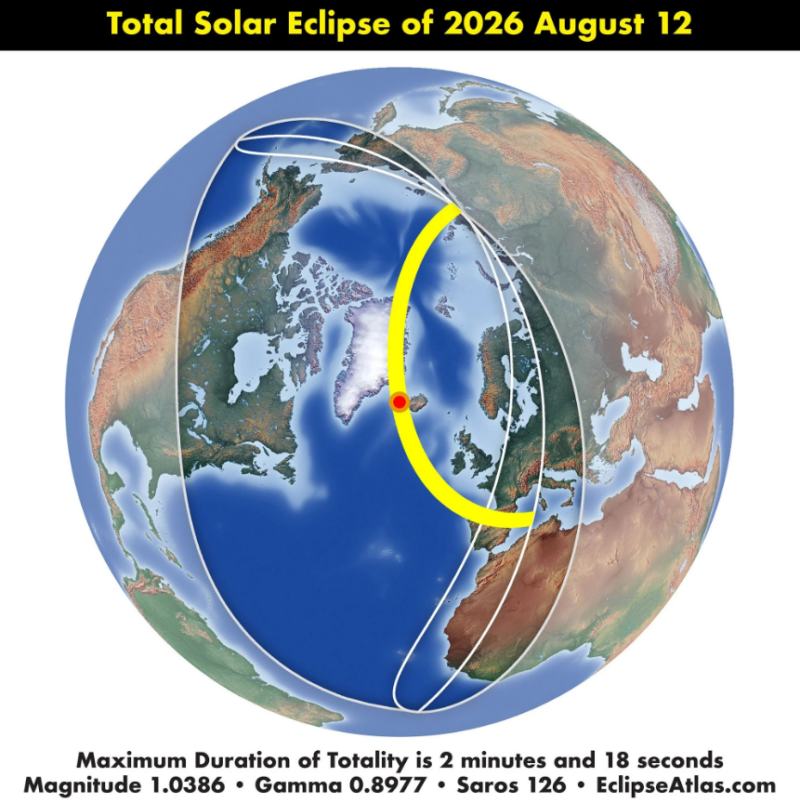
Attention is also turning toward a major upcoming celestial event scheduled for Wednesday, August 12, 2026. Millions of people across Spain, Iceland, and Greenland will experience a total solar eclipse where the moon completely obscures the sun. EarthSky is hosting a dedicated livestream featuring Deborah Byrd and NASA Goddard Spaceflight Center sun scientist Dr. C. Alex Young starting at 16:30 UTC (11:30 a.m. CDT).
Planets And Constellations To Watch This Month
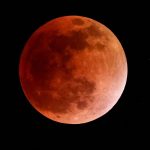
Beyond meteors and eclipses, August offers exceptional planetary alignments and constellation viewings. Observers looking up at the night sky can track Mars positioned beside Orion the Hunter, catch Mercury during its morning appearance, and view the return of brilliant Sirius and Jupiter side by side. Additional highlights include the glorious Milky Way, the red giant star Antares in Scorpius, and an upcoming partial lunar eclipse of the August 27-28 full Sturgeon Moon. Experts recommend using tools like Stellarium Online for precise, location-based viewing times.