
A comprehensive new meta-analysis evaluating 18 large cohort studies and 65 randomized controlled trials reveals that anthocyanins—the natural compounds responsible for the vibrant blue, red, and purple pigments in berries—are directly linked to meaningfully lower risks of cardiovascular disease, along with reduced chances of heart attacks and type 2 diabetes at everyday dietary intake levels.
The Power of Anthocyanins in Healthy Adults
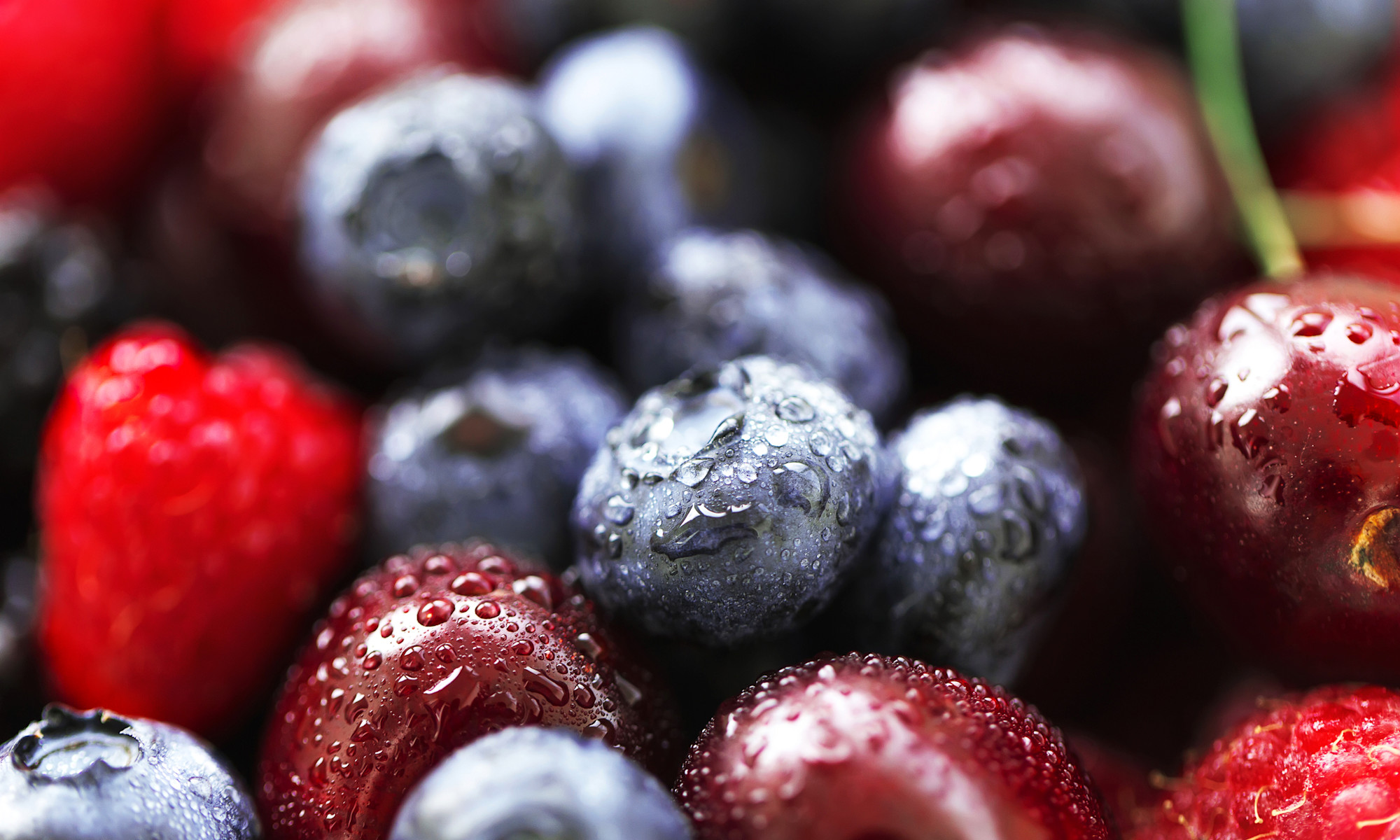
Researchers set out to investigate whether anthocyanins deliver measurable heart-health benefits specifically for individuals who are otherwise healthy. While previous studies frequently focused on populations with pre-existing medical conditions, this latest review zeroes in on healthy adults by combining long-term dietary tracking with direct controlled trials. The findings highlight that plant compounds belonging to the broader flavonoid family—found abundantly in blueberries, cherries, strawberries, blackberries, raspberries, red grapes, and eggplant—offer powerful preventive advantages.
Vascular Health Improvements at Low Intakes
Controlled trials demonstrate that consuming as little as 50 mg/day of anthocyanins significantly enhances how effectively arteries expand in response to blood flow, serving as a critical indicator of overall vascular health. Specific plant compounds displayed distinct advantages: Cyanidin, found prominently in cherries and blackberries, strongly supports artery health, while Delphinidin, present in blueberries and blackcurrants, aids in lowering insulin levels and reducing arterial stiffness.
Simple Daily Dietary Habits for Long-Term Protection
Reaching an intake of 50 mg/day requires only minor, accessible adjustments to everyday eating habits, such as consuming a small serving of blueberries or a mixed berry bowl. Experts emphasize that whole foods inherently provide a diverse mix of these beneficial compounds, making a daily handful of colorful produce one of the simplest and most effective strategies for long-term cardiovascular defense.