
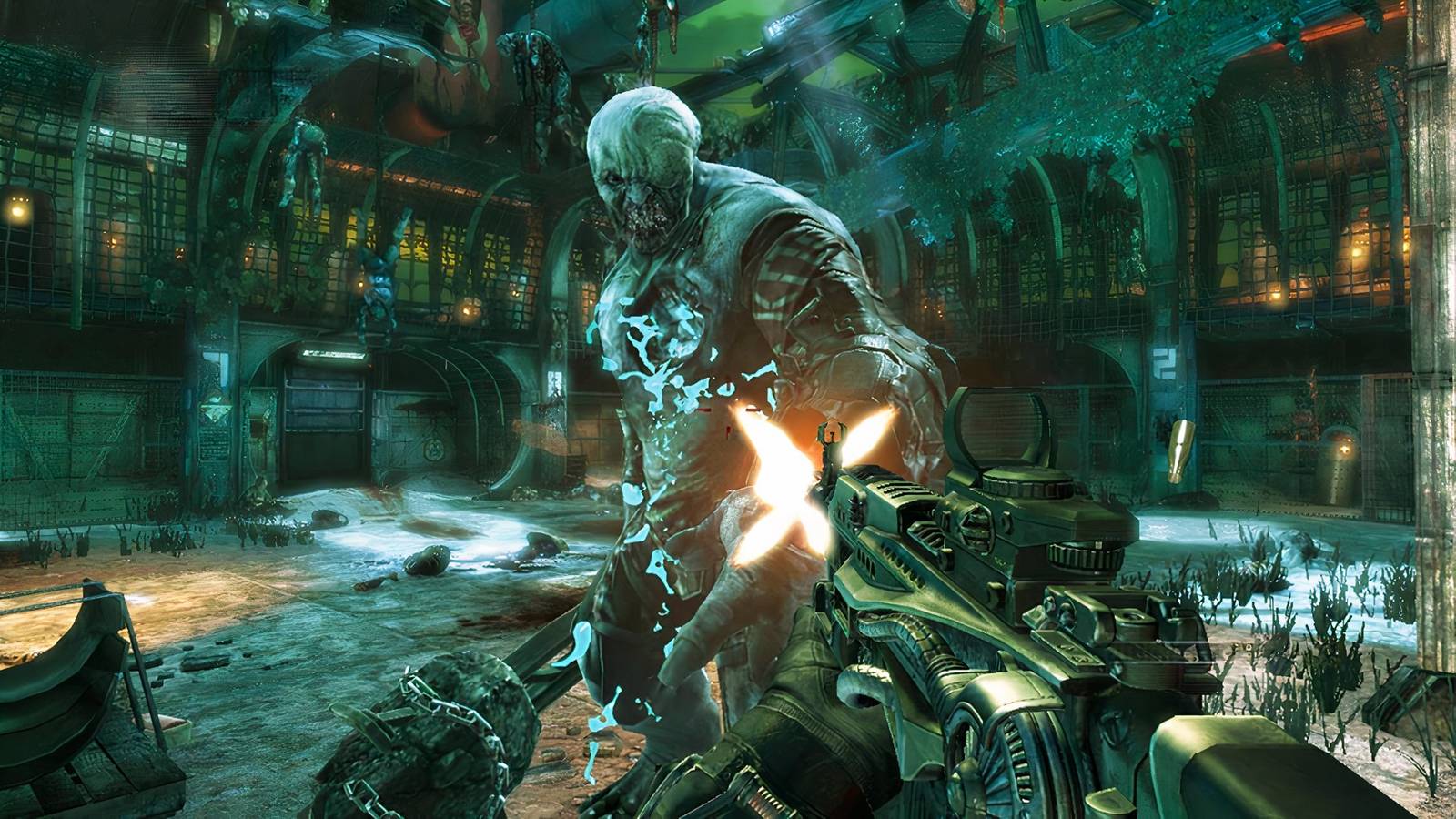

While the history of first-person shooters is frequently defined by iconic titles like Doom, Half-Life, Halo, and Call_of_Duty_4, a handful of revolutionary games that shaped the genre have largely faded from the collective consciousness. Developers created these seven unique titles to introduce pioneering mechanics—ranging from advanced artificial intelligence and locational damage to intricate time manipulation—that modern shooters later adopted wholesale. Unfortunately, shifting rights, technical barriers, and unfortunate release timings have left many of these historical milestones unplayable, delisted, or entirely overlooked today.
Pioneering AI, Physics, and Locational Damage
Released in November 2000, The Operative: No One Lives Forever utilized the LithTech 2.5 engine to introduce a sophisticated AI sensory system that responded to eleven separate stimuli, including footsteps, gunshots, and flashlights. Engineered by Jeff_Orkin, the game laid vital groundwork for smarter enemy behaviors later seen in the F.E.A.R. franchise. Similarly, Xatrix_Entertainment rewrote the Quake_2 model format for Kingpin: Life_of_Crime in 1999, splitting human characters into fifteen separate targetable pieces to mainstream locational damage. Meanwhile, Arkane Studios’ Dark_Messiah_of_Might_and_Magic established foundational physics and environmental combat mechanics that directly influenced the acclaimed Dishonored series.
The Forgotten Time-Manipulation Trilogy
Between 2007 and 2010, three distinct time-centric first-person shooters explored temporal mechanics in radically different ways. TimeShift, developed by Saber_Interactive and published through hands at Atari, Sierra, and Vivendi, launched on October 30, 2007, amidst a crowded market year and allowed players to stop, slow, or rewind the world. Later, Singularity focused on a Time Manipulation Device that altered specific objects, though Activision ultimately scrapped sequel plans after the game sold under 400,000 copies due to a lack of advertising. Rounding out the trilogy, Darkest of Days by 8monkey_Labs deployed the Marmoset_Engine in 2009 to render over 300 individual pathfinding AI soldiers on screen simultaneously before the developer disbanded and its internal tool transformed into the industry-standard Marmoset_Toolbag.
Lost to Digital Storefronts and Rights Complications
Beyond their technical achievements, many of these titles share a tragic history of commercial disappearance. No One Lives Forever remains locked in a complex rights split between Warner_Bros., Activision, and the former 20th_Century_Fox, preventing legal digital distribution. Prey suffered an equally bizarre fate when it was pulled from Steam on December 28, 2009, after exhausting its finite pool of CD keys mid-sale and failing to manufacture replacements. Similarly, Darkest of Days was quietly delisted from Steam in 2021, cementing the reality that while these seven games permanently altered the trajectory of the gaming industry, their physical and digital legacies remain largely abandoned.