
The automotive industry frequently leaves enthusiasts wondering what could have been. While manufacturers like General Motors, Chrysler, and Honda must constantly navigate strict budgets and shifting market trends, automotive fans and industry commentators frequently revisit vehicles that were discontinued before reaching their true potential. Based on recent discussions across enthusiast communities, several legendary models deserved a second generation but unfortunately never received a revival.
Missed Opportunities from American Automakers
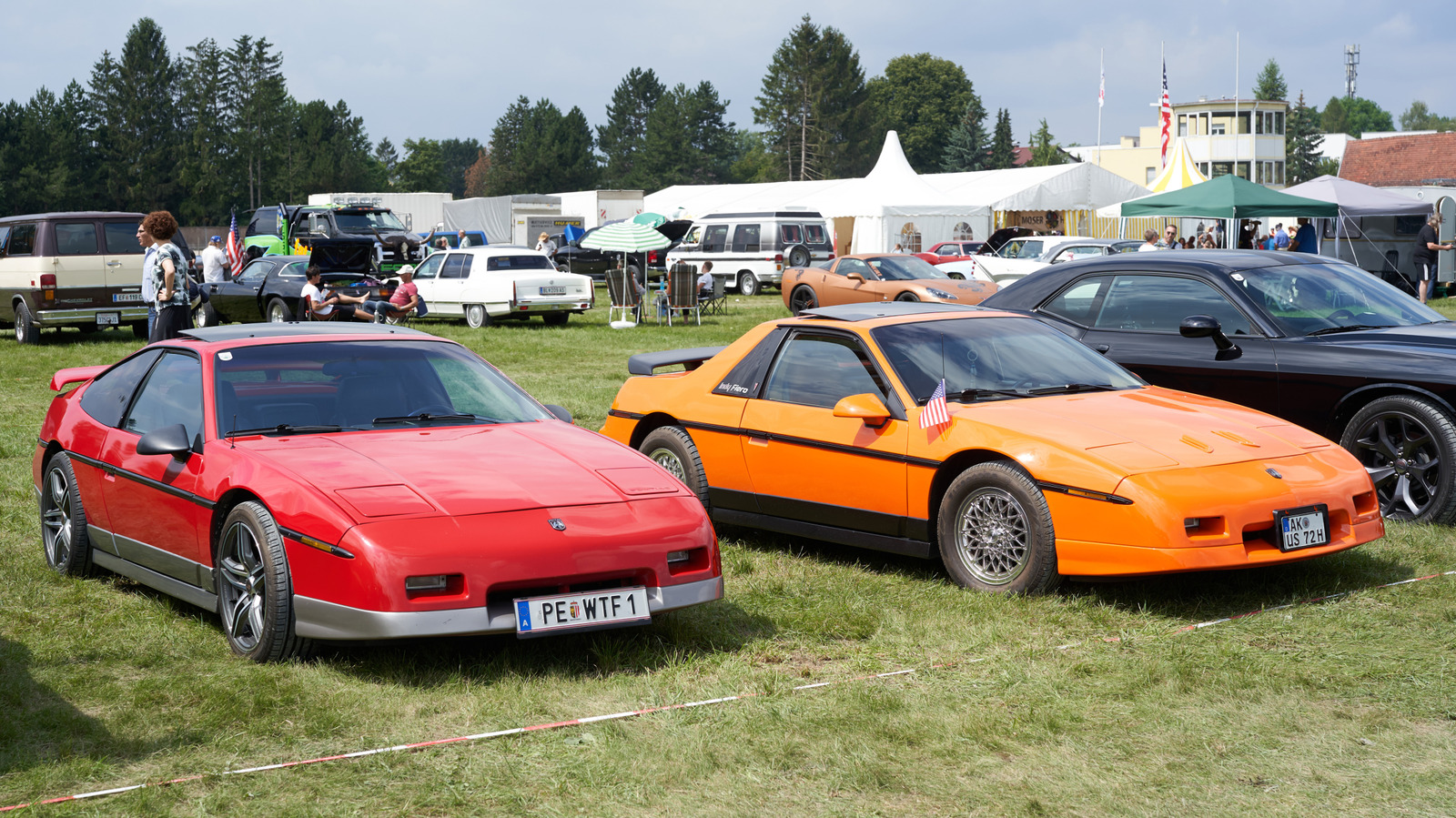
The Big Three have a long history of shelving innovative models just as they began finding their footing. The Plymouth/Chrysler Prowler, discontinued in 2002, stands out as a prime example. Industry observers note that a second-generation model introduced shortly after—perhaps featuring the new 345 hp Hemi V8 engine rolled out in 2003—could have completely redeemed the vehicle in the eyes of its critics. Similarly, the Pontiac Fiero faced an untimely demise in 1988 just as test mules featuring advanced multi-valve engines began outperforming the flagship Corvette, creating internal political and financial roadblocks that ultimately killed the project.
Crossovers and Cult Classics Gone Too Soon
Market timing played a cruel role in the lifespan of several beloved utility vehicles and hatchbacks. The Honda Element remains a glaring example of a CUV canceled just as its segment was preparing for massive growth, leaving dedicated owners fiercely holding onto their vehicles much like FJ Cruiser drivers. Meanwhile, the Subaru Baja offered a comfortable, capable trucklet with legendary all-wheel drive that many enthusiasts believe should still be in production today. Other notable mentions include the Dodge Magnum, which suffered due to the 2008 financial crisis, and the unique Volvo C30, which enthusiasts argue missed out on a high-performance Polestar variant to rival the best hot hatches on the market.
The Legacy of Unrealized Potential
Ultimately, these vehicles highlight the delicate balance between corporate risk management and automotive passion. From the avant-garde styling of the Pontiac Aztek to the pioneering crossover design of the AMC Eagle wagon, these machines captured the imagination of drivers worldwide. While economic pressures and shifting consumer demands ultimately sealed their fates, their enduring popularity on social media proves that the appetite for these bold automotive concepts has never truly faded.