
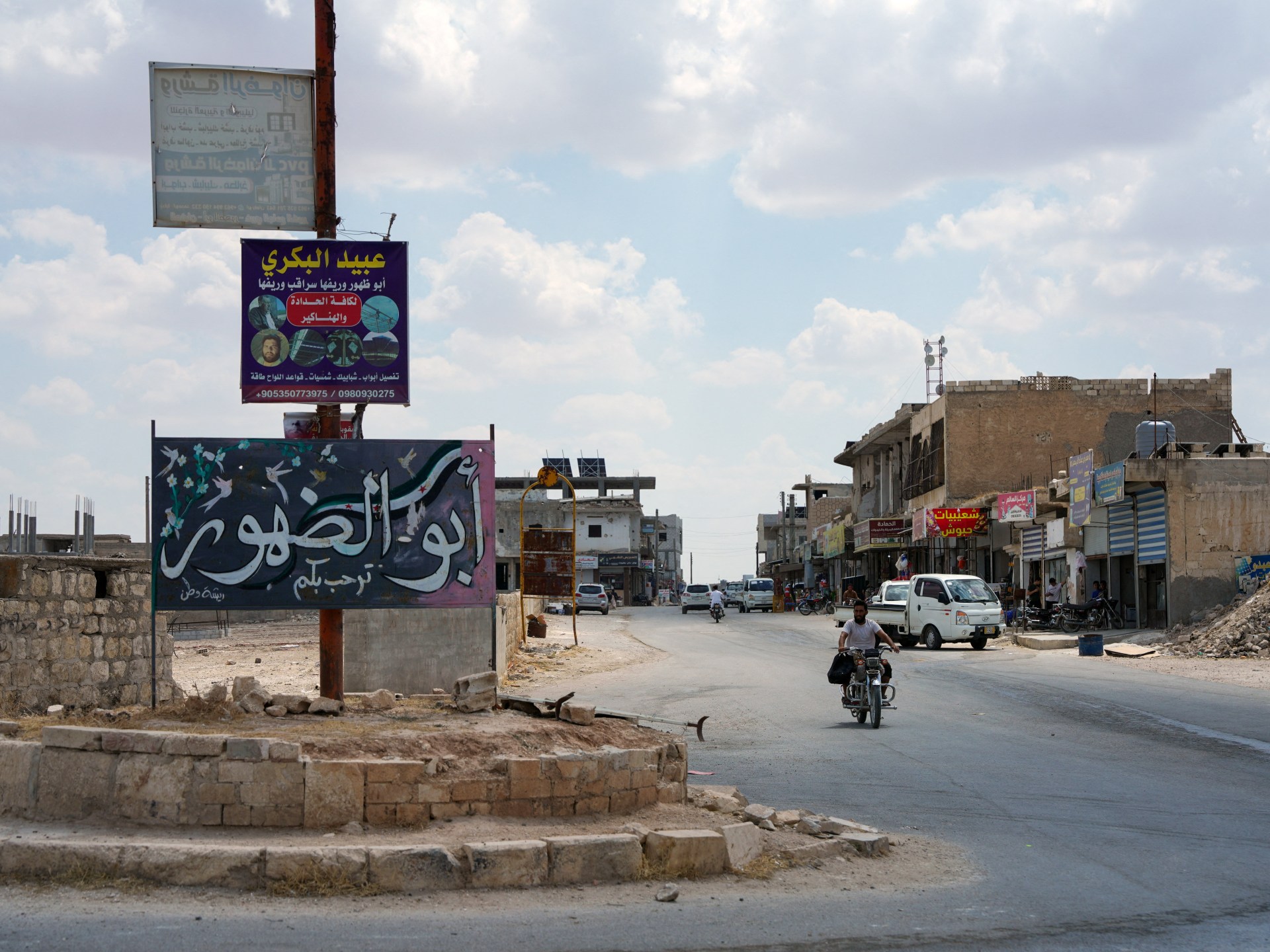

With upcoming Israeli elections drawing closer, regional analysts warn that Prime Minister Benjamin Netanyahu may seek a fresh military escalation, effectively undermining ongoing deconfliction efforts in neighboring Syria. Just a day after a suspected Israeli airstrike targeted the Abu al-Duhur airbase near Idlib in northwestern Syria, US Ambassador to Turkiye Tom Barrack proposed establishing a trilateral security mechanism between Turkiye, Syria, and Israel.
While Washington describes the recent strikes as an ‘unnecessary escalation,’ foreign policy experts remain deeply skeptical about whether such diplomatic initiatives can deter Israel. For years, Israeli forces have routinely targeted Syrian territory, a trend that accelerated dramatically following the fall of former President Bashar al-Assad’s regime in December 2024. Samy Akil, a senior adviser with The Syria Report, noted the core obstacle clearly: ‘It is difficult to have a deconfliction mechanism when only one party is causing conflict in the first place.’
Shifting Geopolitical Dynamics
Following the collapse of the Assad regime, Israel pivoted its military focus from Iranian-aligned targets toward countering expanding Turkish influence in the region. Ankara has maintained close ties with various anti-Assad factions and is currently working to forge strong diplomatic and military relationships with Syria’s transitional government led by President Ahmed al-Sharaa.
Tuesday’s strike on the airbase was widely interpreted as a direct message from Tel Aviv to Ankara. The Israeli Prime Minister’s Office released a statement defending its security stance, stating that ‘Israel and Syria agreed to a status quo in security matters, which Syria was on the verge of breaching by permitting Turkish troops to deploy at an airbase near Aleppo.’
The Necessity of American Intervention
In response, Turkiye’s Directorate of Communications strongly condemned the Israeli allegations, labeling them as ‘untenable’ justifications designed to legitimize unlawful attacks on Syrian sovereignty ahead of the Israeli elections. Meanwhile, experts argue that any effective deconfliction framework heavily depends on Washington’s willingness to exert leverage over Netanyahu’s administration.
Galip Dalay, a senior research fellow at Chatham House, emphasized that substantial American pressure is critical. ‘If the US puts proper pressure on Israel, they would listen,’ Dalay stated, pointing to recent precedents involving Iran. ‘The question is not only about if there is a need for a deconfliction mechanism in Syria; it is to what extent the US is willing to make it credible and functional.’