
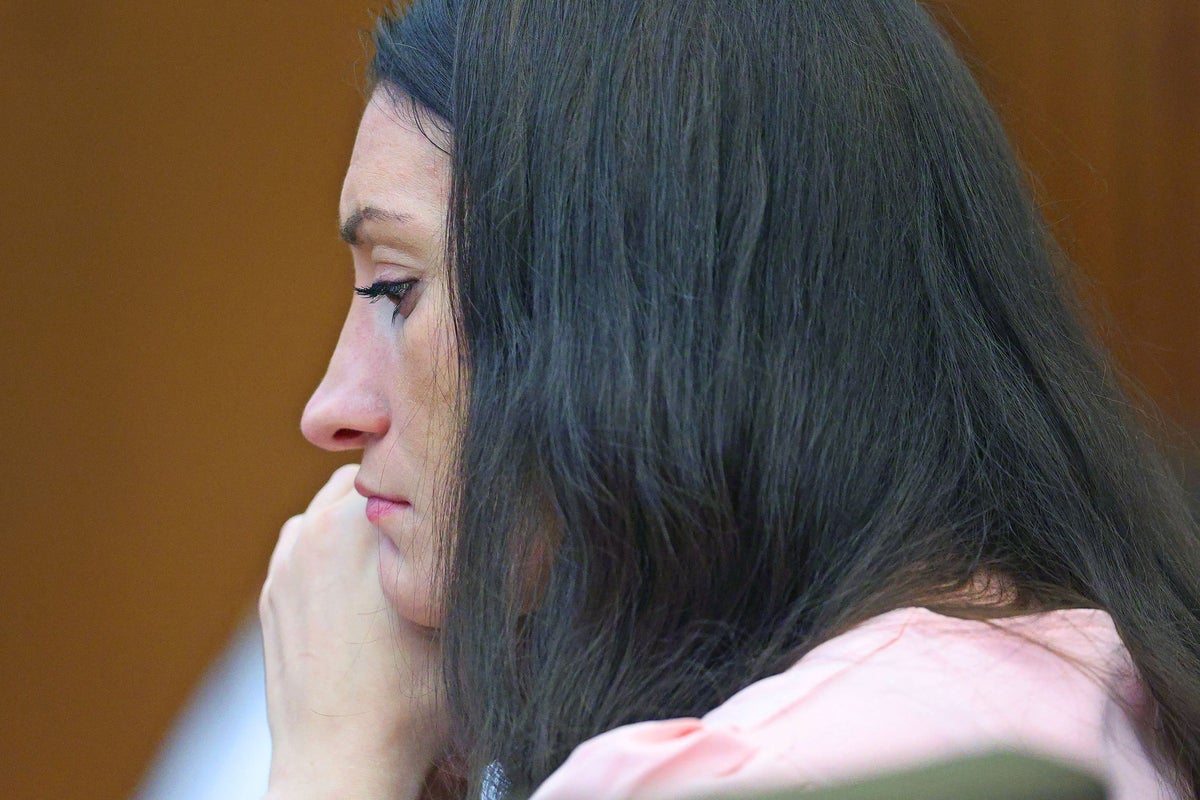

During Monday’s court proceedings, defense attorney Kevin Reddington aggressively scrutinized the treatment provided by Dr. Jennifer Tufts to Lindsay Clancy, a Massachusetts mother accused of killing her three young children. Reddington argued that the mental healthcare system failed Clancy in the months leading up to the tragic event, characterizing the psychiatrist’s care as subpar and implying she acted like a box-checking ‘robot’ rather than an attentive medical professional.
Questioning Treatment Methods and Video Appointments
During the cross-examination, Kevin Reddington highlighted Dr. Jennifer Tufts‘ reliance on 25-minute video appointments for limited talk therapy and digitalized note-taking. The defense questioned the depth of the care provided as Lindsay Clancy reported various side effects and symptoms from prescribed pharmaceuticals. When questioned about whether she ever suggested an in-person visit for a patient expressing hopelessness, Tufts defended her approach, stating that video communication did not seem inadequate at the time.
The Core Legal Battle Over Mental State and Responsibility
Lindsay Clancy, a 35-year-old former labor and delivery nurse, has pleaded not guilty to murder charges in the deaths of her children—Callan, Dawson, and Cora Clancy—who ranged from 8 months to 5 years old. The children were found dead in the basement of the family’s home in Duxbury, Massachusetts, on Jan. 24, 2023. Prosecutors, led by Shannan Buckingham, argue that Clancy was an intentional killer who orchestrated a plan to send her husband out on errands before strangling the children with exercise bands. Conversely, the defense contends that Clancy should not be held criminally responsible due to severe mental illness, specifically bipolar disorder and postpartum psychosis.
Psychiatrist’s Testimony and Ongoing Civil Litigation
Taking the stand, Dr. Jennifer Tufts testified that Lindsay Clancy never disclosed manic episodes or auditory hallucinations indicative of psychosis during their sessions, which took place from September 2022 until the day before the killings. Tufts diagnosed Clancy with generalized anxiety disorder and an adjustment disorder with depressed mood. While Tufts maintained she was not negligent in her care, Clancy is currently suing Tufts and other practitioners in civil court. If convicted, Clancy faces life in prison without parole, whereas an acquittal based on a lack of criminal responsibility would result in commitment to a state mental health facility.