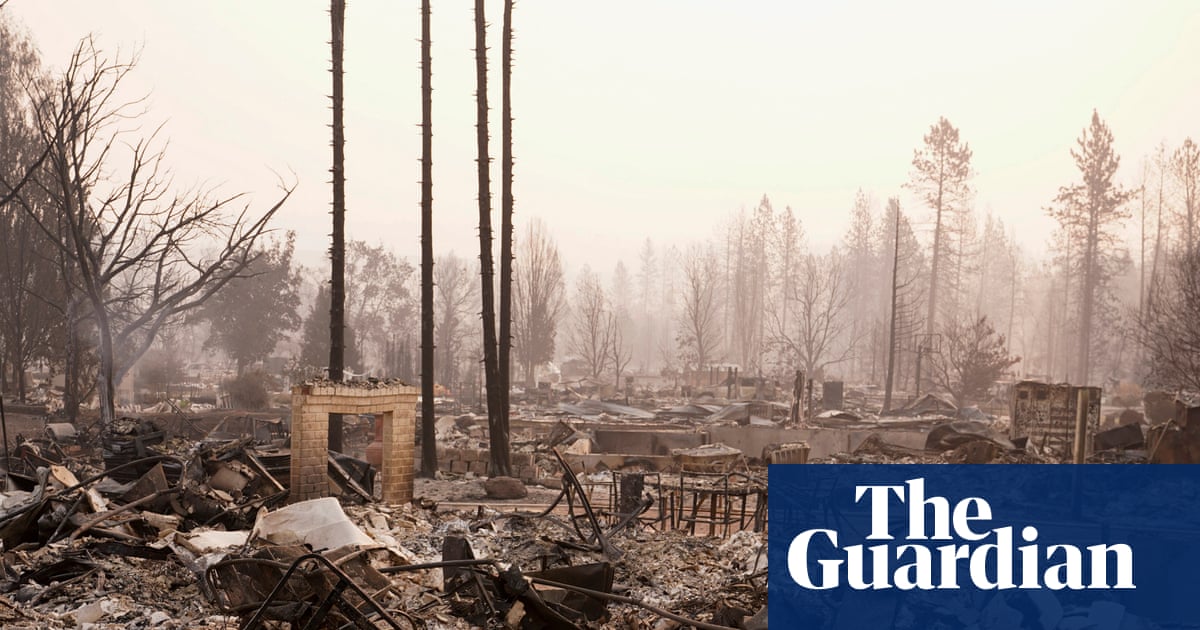

Extreme weather conditions across Washington and Oregon have fueled fast-moving wildfires this summer, consuming at least 846 structures and scorching more than 2.9m acres. Firefighters continue to battle intense blazes that have left suburban neighborhoods in places like Spokane draped in toxic smoke, while climate experts warn that a looming El Niño pattern and extended dry seasons threaten to prolong the crisis.
Unprecedented Destruction Across the Pacific North-West
The scale of devastation has intensified significantly as emergency crews tackle multiple large fires across the eastern side of Washington. Officials report that Oregon has already logged more burned acreage this year than in any other period in recorded history, while Washington navigates its most destructive fire season to date. Experts from organizations like the US National Interagency Fire Center (NIFC) point to exceptionally dry vegetation resulting from severe July heatwaves as the primary catalyst for the rapid spread of these infernos.
Strained Resources and Frontline Realities
With more than 45,800 blazes and over 6.3m acres burned nationwide since the start of the year, federal firefighting resources have reached maximum deployment, maintaining a Preparedness Level 5 (PL5) status. First responders face extreme physical and emotional strain, with seven wildland firefighters reported dead in the line of duty this summer. Veteran advocates and fire officials emphasize that while approximately 98% of fires are successfully suppressed before reaching 100 acres, the current frequency and intensity of climate-driven blazes severely outpace existing workforce capacities and budgets.
Climate Change and Future Risks Ahead
Scientists and ecologists, including Dr Susan Prichard from the University of Washington, emphasize that accelerating climate change is creating a longer and more volatile fire window. Compounding the ongoing threat, models indicate a 95% chance of a strong El Niño event developing by September, which typically triggers hotter and drier winter conditions across the Pacific North-West. Former Washington governor Jay Inslee and international researchers warn that without addressing underlying greenhouse gas emissions, communities globally will continue facing catastrophic wildfire seasons.