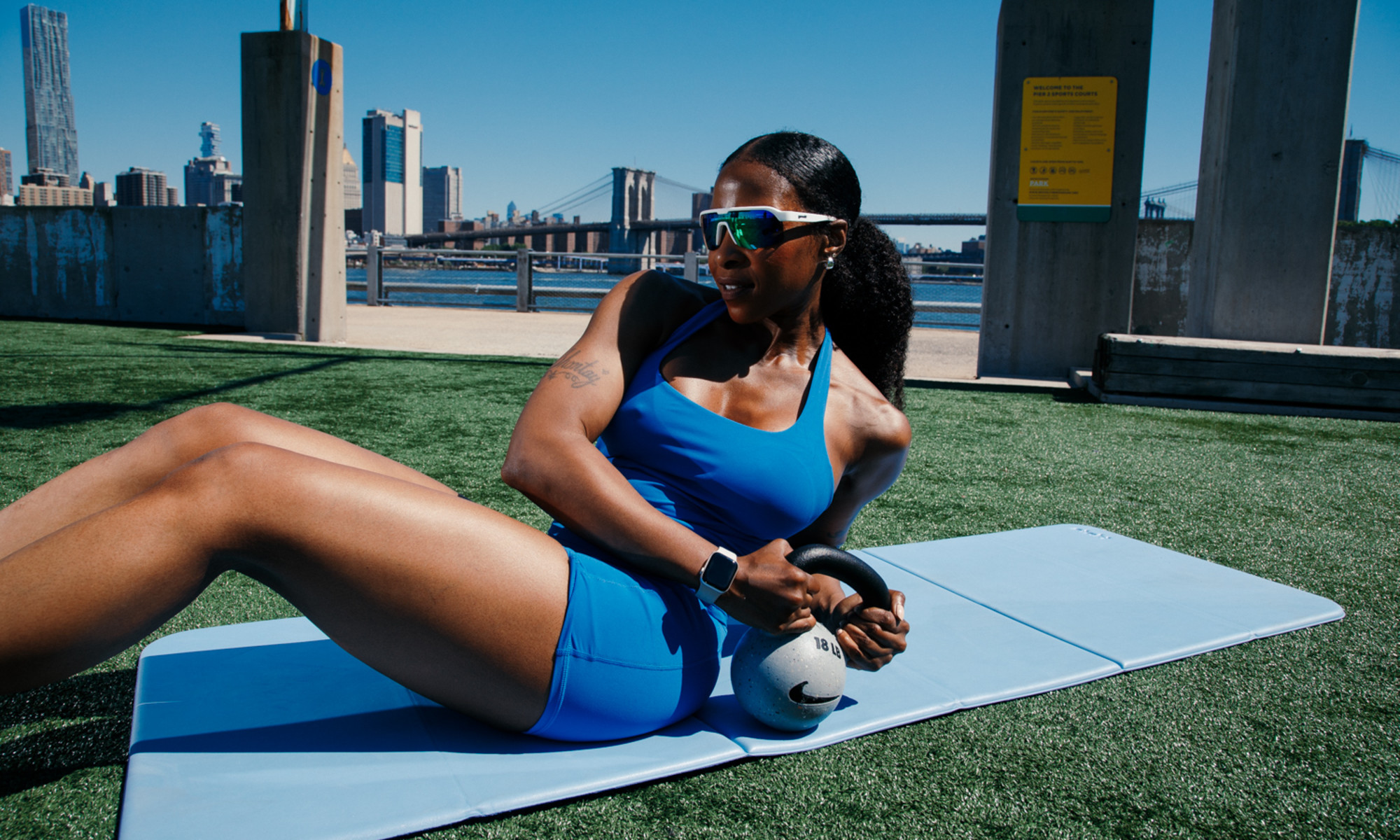

Bone loss after menopause is a critical health concern as estrogen decline accelerates the risk of osteoporosis and fractures. A recent meta-analysis evaluating 379 women across eight trials reveals that structured high-intensity, impact, and strength training can effectively improve bone mineral density in postmenopausal women, specifically targeting the femoral neck and the lumbar spine.
Understanding the Impact of Exercise on Postmenopausal Bone Density
As bone density drops naturally with age, researchers have long debated the ideal form of physical activity to halt this decline. By pooling recent randomized controlled trials, scientists set out to examine how targeted workouts influence skeletal health. While previous assumptions often grouped all demographics together, this review highlights a distinct difference in physiological responses between age groups. The analysis specifically focused on randomized trials comparing premenopausal and postmenopausal women undergoing rigorous physical regimens.
Where Improvements Were Observed: Hip and Lower Spine
The findings showed modest yet statistically significant increases in bone mineral density exclusively in the postmenopausal group. Specifically, improvements were recorded in two vital areas: the femoral neck (where the thighbone meets the hip) and the lumbar spine (lower back). Interestingly, women who hadn’t reached menopause showed no such increase at either anatomical site under the tested conditions. This variation points to either a differing biological response to exercise or a need for more demanding protocols in younger cohorts.
Consistency Over Intensity: The Key to Long-Term Skeletal Health
Although the review could not isolate whether high-intensity, impact, or strength training alone drove the results, a clear pattern emerged regarding consistency. Months of scheduled training sessions proved far more impactful than occasional strenuous workouts. Experts emphasize that maintaining a structured routine is essential for long-term protection against bone fractures, paving the way for targeted physical therapy recommendations for aging women.