
Astronomers and space weather specialists are monitoring the sun closely after a massive filament of solar material and magnetic fields lifted off the solar surface near sunspot region AR4507. The eruption, which hurled solar plasma into space, occurred at approximately 3:30 UTC on August 14, prompting ongoing analysis to determine if any components are heading toward Earth to spark auroras.
Solar Activity and Sunspot Dynamics
Solar flare activity has shown fluctuations, increasing from very low to low levels over recent observation periods. The Earth-facing side of the sun currently hosts seven numbered active regions, including newcomers AR4510 in the northwest and AR4511 in the southeast. Notably, sunspot region AR4507 has developed a complex beta-gamma magnetic configuration, raising the potential for future flaring events.
Geomagnetic Forecast and Solar Wind
While solar wind speeds have averaged moderate levels, the interplanetary magnetic field component known as Bz has exhibited sustained southward stretches, conditions that strongly favor auroral displays. The geomagnetic field recently reached unsettled levels with a Kp index sitting just above level 2. Forecasters estimate that the probability of M-class flares has risen to 15%, while chances for major X-class flares remain low at 1%.
Recent Solar Observations and Eclipses
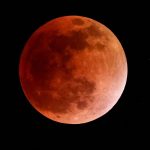
This solar update coincides with widespread celebrations of the recent total solar eclipse that crossed paths over Spain, Iceland, and Greenland, alongside peak viewing of the annual Perseids meteor shower. Researchers continue to analyze incoming data from powerful instruments like the Daniel K. Inouye Solar Telescope in Hawaii, continuing a thrilling period of space exploration and solar observation.